How Much Does It Cost to Install Central Air and Heat?
The moment your AC gives out on a hot Florida day, a sense of dread can set in. Your first instinct is to figure out the financial damage. You might even type a rushed, incomplete search into your phone like, “how much does it cost to install central air and heat in a 1,” just trying to get a quick idea. Instead of guessing, let’s get you some real answers. Making a smart decision under pressure is all about having the right information. This guide is designed to be your calm, clear-headed resource, walking you through the typical costs, explaining what drives the price up, and showing you smart ways to save on your new system.
Key Takeaways
- Understand what shapes your quote: The final cost for a new system isn't just about the unit; it's a tailored price based on your home's size, the equipment's efficiency rating, and the condition of your ductwork.
- A quality installation is your best investment: The long-term performance of your system relies more on correct sizing and expert installation than on the price tag alone, proving a cheaper unit installed well is better than an expensive one installed poorly.
- Plan ahead to lower your costs: You can significantly reduce your final bill by researching available energy rebates, getting at least three detailed quotes, and scheduling your installation during the off-season like spring or fall.
How Much Does It Really Cost to Install Central Air and Heat?
Let's get straight to it, because this is the first question on everyone's mind. While there isn't a single price tag that fits every home in Southwest Florida, we can absolutely break down the numbers so you have a clear idea of what to expect. The final cost for a new central air and heat system is a mix of several factors: the specific equipment you choose, the size and layout of your home, the condition of your existing ductwork, and the labor required for a proper installation.
Think of it less like buying an appliance off a shelf and more like a custom-fit project for your home's unique needs. A smaller condo will have different requirements than a sprawling single-family house. Understanding these key cost drivers is the first step toward making a smart, confident investment in your family's comfort. It’s also why getting a detailed, transparent quote is so important. You should see exactly what you're paying for, from the unit itself to the installation work. At 5 Star Air, we believe in honest pricing without any sales pressure, so you can feel good about your decision. Below, we’ll get into the specifics, starting with how your home's square footage and the system components influence the final bill.
Breaking Down Costs by Home Size
As you might guess, the bigger the house, the more power you need to cool it. For a 2,000-square-foot home, a common size in our area, a new central air installation typically runs between $5,000 and $12,000. If you're looking at a complete HVAC system replacement, including both the air conditioner and an air handler, that range can go up to between $10,000 and $20,000 for a home from 2,000 to 2,500 square feet. This price difference accounts for the larger, more powerful equipment needed to circulate cool air effectively through a bigger space, ensuring every room stays comfortable without overworking the system.
Pricing a Full System vs. Individual Parts
When you get a quote, it helps to know what you're looking at. The central AC unit itself might cost between $2,500 and $4,500, but that’s just one piece of the puzzle. Professional installation labor usually adds another $500 to $2,500 to the total. If your home needs new ductwork, that’s a separate and significant project that can add $2,000 to $7,500. That's why it's important to distinguish between replacing just the outdoor condenser and getting a full system overhaul. We always provide a clear breakdown so you know exactly where your money is going, and we offer flexible financing options to make the investment more manageable.
What Factors Drive Up Your Installation Cost?
When you get a quote for a new HVAC system, the final number isn't pulled out of thin air. Several key factors contribute to the total price, from the specifics of your home to the equipment you choose. Understanding these variables helps you see exactly where your money is going and make informed decisions. Let's break down the main components that influence your air conditioning installation cost.
Your Home's Size and Layout
It makes sense that a larger home requires a more powerful (and more expensive) air conditioner to keep it cool. A system that’s perfect for a 1,200-square-foot condo won’t make a dent in a 3,000-square-foot house. The layout also matters. A multi-story home or one with a complex floor plan might require more intricate ductwork and strategic placement to ensure even cooling, which can add to the labor and material costs. Our technicians perform a detailed calculation to match your home’s unique size and layout with the right equipment, ensuring you don’t overpay for a system that’s too big or get stuck with one that’s too small.
The System's Type and Efficiency Rating
Not all air conditioners are created equal. The type of system you choose and its energy efficiency rating play a huge role in the price. Efficiency is measured by a SEER (Seasonal Energy Efficiency Ratio) rating; the higher the number, the more efficient the unit. A high-efficiency system from a top brand will have a higher upfront cost, but it can lead to significant savings on your monthly energy bills. Think of it as an investment that pays you back over time. We can walk you through the different ENERGY STAR certified options to find a balance that fits your budget and long-term goals.
The Current State of Your Ductwork
Your ductwork acts as the circulatory system for your home's air. If you have existing ducts that are in great shape, properly sealed, and correctly sized, you’re already ahead of the game. This makes the installation process much simpler and more affordable. However, if your home needs a brand-new duct system or if your existing ducts are leaky, damaged, or poorly designed, that will add to the project's scope and cost. Our team always inspects the ductwork to see if repairs or replacements are needed to ensure your new system runs at peak performance.
Local Labor and Material Costs
Just like with any home service, labor rates can vary depending on your location. In Southwest Florida, costs are influenced by local demand, material availability, and the expertise required for the job. The complexity of the installation also impacts labor time. For example, working in a tight attic or navigating tricky structural elements requires more skill and time. This is why it’s so important to work with a locally owned and operated company. Our technicians are fully licensed and insured, and we believe in transparent pricing, so you’ll never be surprised by hidden labor fees on your final bill.
Exploring Your System Options and Their Price Tags
When it's time for a new HVAC system, you have several great options to choose from, and understanding them is the first step toward making a smart investment for your home. Each type comes with its own set of benefits and a different price point, so knowing the basics can help you feel more confident when you get a quote. Think of the numbers we'll discuss as a general guide. The final cost will always depend on your home's specific needs, the unit's efficiency rating (SEER rating), and the complexity of the installation. For example, a straightforward replacement will cost less than a new install that requires significant ductwork modifications or electrical updates.
At 5 Star Air, we believe in total transparency, which is why we want to walk you through the most common systems we install for Florida homeowners. This will give you a clear picture of what you can generally expect in terms of cost and performance before you even schedule a consultation. From traditional central air that cools your entire house to flexible ductless units that target specific rooms, there's a perfect fit for every home and budget. We'll break down the typical price ranges for each system so you can start planning. Let's look at the details for each one.
Central Air Conditioners
This is the system most of us are familiar with. A central air conditioner cools your entire home by distributing air through a network of ducts. It's a fantastic solution if you already have ductwork in place and want consistent, whole-home cooling. For a typical 2,000-square-foot house, a new central AC installation usually ranges from $5,000 to $12,000. Most homeowners find their project lands somewhere around the $7,000 mark. This investment gives you a reliable and seamless way to beat the Florida heat, keeping every room comfortable.
Heat Pumps
Don't let the name fool you; heat pumps are masters of both cooling and heating. They work by moving heat, pulling it out of your home in the summer and drawing it in from the outside air during the cooler months. Because Florida has mild winters, heat pumps are an incredibly efficient choice here. The cost to install an air-source heat pump can run anywhere from $2,000 to $12,000. They are a versatile and energy-saving option, especially if you're looking for one system to handle your year-round comfort without needing a separate furnace.
Ductless Mini-Splits
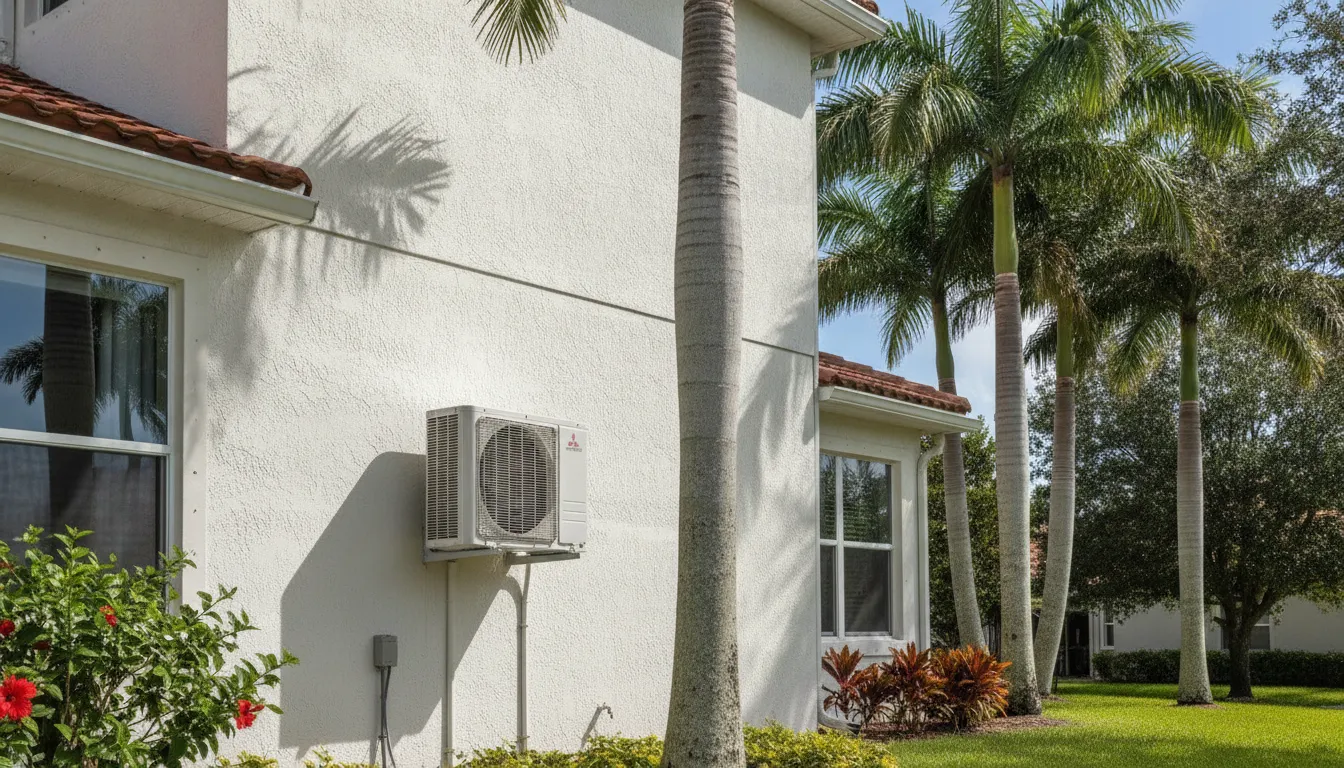
If your home doesn't have existing ductwork, or if you want to cool a specific area like a new addition, garage, or lanai, a ductless mini-split is the perfect answer. These systems use an outdoor unit connected to one or more indoor units mounted on the wall or ceiling, giving you zoned control over temperature. The flexibility is a huge plus. Installation costs for ductless mini-splits typically fall between $3,200 and $14,500, depending on how many indoor units you need. They are a great way to get targeted cooling exactly where you want it.
Traditional Furnace and AC Combos
For the most comprehensive climate control, a traditional furnace and AC combination is the way to go. This setup pairs a central air conditioner with a furnace, giving you powerful cooling and reliable heating from a single, integrated system. While furnaces aren't always a top priority in Southwest Florida, this combination ensures you're prepared for any weather. The price for a full HVAC system like this in a standard home can range from $10,000 to $20,000. On average, a central AC paired with a gas furnace costs about $14,000, providing a complete solution for total home comfort.
What Hidden Costs Should You Plan For?
Getting a quote for a new central air and heat system is a great first step, but the number on that initial estimate might not tell the whole story. Several factors can pop up during the installation process that add to the final cost. A trustworthy contractor will always be upfront about these potential expenses, but it’s smart to go into the process with your eyes open. Understanding these "hidden" costs helps you budget more accurately and ensures there are no surprises along the way.
From the state of your existing ductwork to the need for new electrical wiring, several variables can influence your total investment. Think of it less as a single purchase and more as a home improvement project with a few moving parts. Planning for things like equipment removal, professional load calculations, and local permits will give you a much clearer picture of the true cost. At 5 Star Air, we believe in total transparency, which is why we walk you through every potential cost before any work begins. Our goal is to provide an honest, clear-cut AC installation plan that fits your home and your budget. We make sure you understand exactly what you're paying for, from the unit itself to the labor and any necessary modifications to your home's infrastructure.
Installing or Modifying Ductwork
If your home already has a duct system, you’re ahead of the game. But if you’re installing central air for the first time or your existing ducts are old and leaky, you’ll need to budget for ductwork. This can be a significant expense, as it involves running new ducts through walls, ceilings, and attics. Even homes with existing ductwork might need modifications. A new, high-efficiency system often requires different airflow than your old unit, so some adjustments may be necessary to get the performance you’re paying for. Our team can assess your current setup and handle any duct sanitization or replacement needed to support your new system.
Handling Electrical Work and Permits
Modern air conditioning systems are powerful, and they often require more electrical support than older models. This might mean upgrading a circuit breaker or running a new electrical line to the unit. It’s a crucial step for safety and performance that shouldn’t be overlooked. Additionally, most HVAC installations require a municipal permit to ensure the work is done to code. A professional contractor will manage the entire permitting process for you, from filing the paperwork to scheduling the final inspection. While the permit and any necessary electrical work add to the cost, they are non-negotiable parts of a safe and legitimate installation.
Calculating Your Home's Specific Needs
Choosing the right size AC unit isn't a guessing game. A system that’s too small will struggle to cool your home, while one that’s too large will cycle on and off too frequently, wasting energy and failing to dehumidify properly. That’s why a professional load calculation, often called a Manual J calculation, is so important. This detailed analysis considers your home’s size, layout, insulation, and window placement to determine the exact cooling and heating load. Some companies charge extra for this service, but we include it as part of our comprehensive and honest quoting process to ensure you get the perfect system for your home.
Removing Your Old Equipment
When your new system arrives, the old one has to go. Removing and disposing of an old HVAC unit isn’t as simple as hauling it to the curb. It involves safely disconnecting electrical and refrigerant lines, which must be handled by a certified technician to comply with environmental regulations. The bulky equipment then needs to be transported and disposed of properly. This service is a standard part of any professional replacement job and is typically factored into the overall quote. It’s a necessary step that ensures your old system is taken care of responsibly, making way for your new, efficient unit.
How Much Will New Ductwork Add to the Bill?
When you’re planning for a new HVAC system, it’s easy to focus on the big, shiny unit itself. But the network of ducts running through your walls and ceilings is just as important. Think of it as the circulatory system for your home’s comfort. If your ducts are old, leaky, or nonexistent, even the most efficient AC unit will struggle to keep you cool. The cost of addressing your ductwork can vary quite a bit, depending on whether you need a few simple repairs or a complete overhaul.
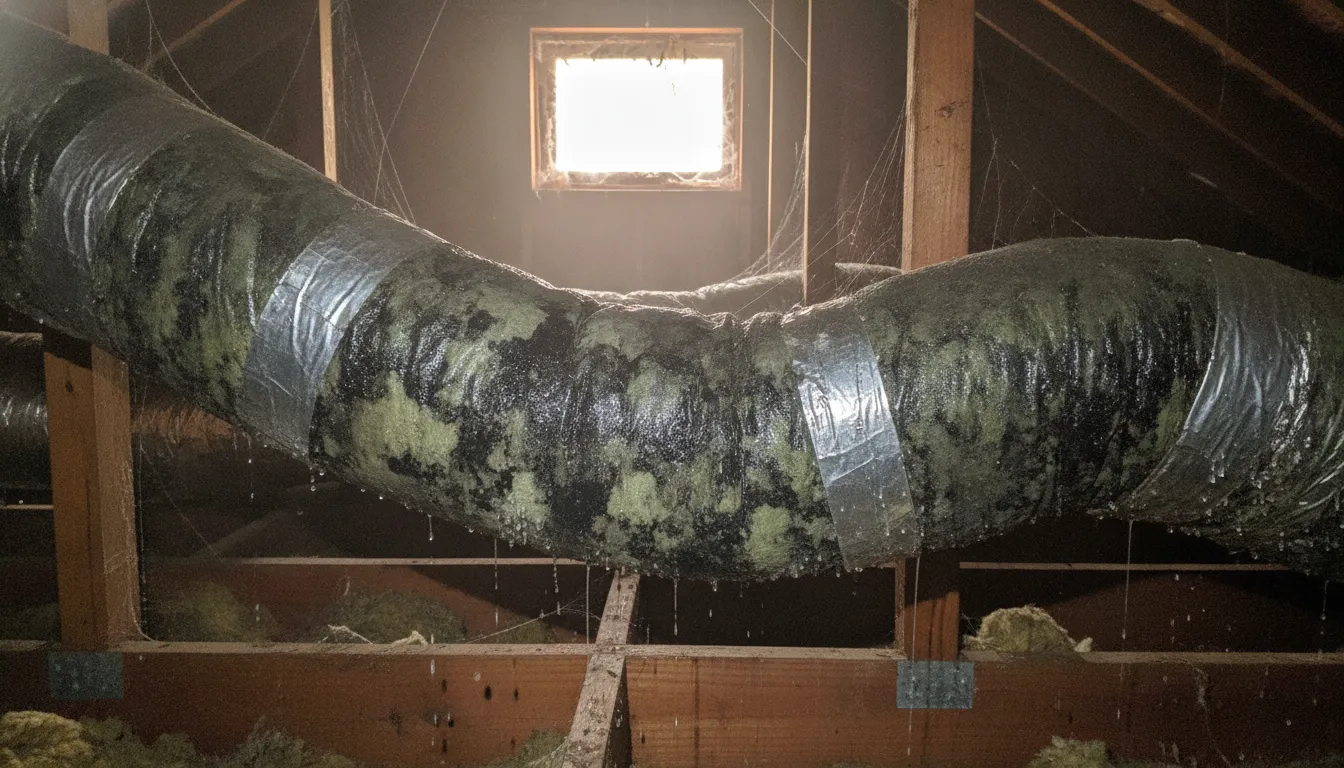
Here in Florida, proper ductwork is non-negotiable. Leaky ducts don't just waste cooled air; they can also pull in hot, humid attic air, which affects your home's comfort and can impact your indoor air quality. Understanding the potential costs helps you create a realistic budget and ensures your new system performs at its best from day one. Let’s break down what you can expect to pay for ductwork services.
The Cost of a Full Ductwork Installation
If you're building a new home or your existing ductwork is beyond repair, a full installation is necessary. This is the most significant duct-related expense you can face. For a typical home, you can expect the cost of a complete duct replacement to fall somewhere between $2,000 and $7,500. The final price tag depends on several factors, including the size of your home, the type of materials used, and the complexity of the installation. A multi-story home with a tricky layout will naturally cost more than a straightforward single-story ranch. This investment ensures your new HVAC system has a clean, efficient pathway to deliver cool air to every room.
Expenses for Duct Repair and Adjustments
The good news is that not every duct issue requires a complete replacement. Often, targeted repairs can solve your problems for a fraction of the cost. If you have leaky joints, disconnected sections, or poor airflow in certain rooms, you’re likely looking at a repair bill between $300 and $1,000. An honest technician can identify these problem areas and fix them, which can dramatically improve your system's efficiency. Sealing leaks and making minor adjustments ensures the air you’re paying to cool actually reaches its destination, making your home more comfortable and your energy bills more manageable.
Upgrading with Duct Sealing and Insulation
Even if your ducts are in decent shape, you can make them better. Upgrading with professional sealing and insulation is one of the smartest investments you can make in your home’s energy efficiency. Sealing ensures that conditioned air doesn't escape into your attic or crawlspace. Adding insulation helps keep that air at the right temperature as it travels through unconditioned spaces. This is especially critical in our hot Florida climate. While costs vary, this upgrade pays for itself over time through lower energy bills and a more comfortable home. It’s a proactive step that helps your entire HVAC system perform better.
What Are the Biggest Ticket Items in an HVAC Installation?
When you look at an estimate for a new HVAC system, it’s more than just the price of a new air conditioner. The total cost reflects the equipment, the complexity of the job, and any modern upgrades you choose to include. Understanding these major cost drivers helps you see exactly where your money is going and why a quality installation is such a critical investment for your home. These are the three areas that have the biggest impact on your final bill.
A higher price tag often comes with better equipment and a more thorough installation process, which is essential for keeping your home comfortable in the Florida heat. While it's tempting to cut corners, a proper air conditioning installation ensures your system runs efficiently for years, saving you from the headache of frequent repairs and high energy bills. Think of it as setting a strong foundation for your home’s comfort.
High-Efficiency System Upgrades
The single biggest factor in your installation cost is the HVAC unit itself. Opting for a high-efficiency system with a high SEER2 (Seasonal Energy Efficiency Ratio 2) rating will cost more upfront than a standard model. However, this is a classic case of "you get what you pay for." Investing in a more efficient unit means you'll see significant savings on your monthly electricity bills. Over the lifespan of the system, those savings can easily offset the initial higher price. A quality system is a more reliable and energy-efficient choice that delivers long-term value.
Navigating a Complex Installation
Not all installations are created equal. The layout of your home and the condition of your existing infrastructure play a huge role in the final cost. A straightforward replacement in an easily accessible space will be less expensive than a complex job that requires significant modifications. For example, if your home has an unusual layout, needs new ductwork, or requires electrical upgrades to support the new system, the labor and material costs will increase. A professional technician will assess these factors to give you an accurate and honest quote, ensuring there are no surprises along the way.
Adding Zoning Systems and Smart Controls
Modern upgrades like zoning systems and smart thermostats are popular for a reason, but they do add to the installation cost. A zoning system allows you to control the temperature in different parts of your house independently, so you aren't wasting energy cooling empty rooms. Smart thermostats learn your habits and can be controlled from your phone, making it easy to manage your home's climate efficiently. While these features increase the initial price, they also improve your home's overall indoor air quality and comfort while helping you save energy without even thinking about it.
Smart Ways to Save on Your New HVAC System
A new HVAC system is a significant investment in your home’s comfort, but it doesn’t have to break the bank. With a little planning and some insider knowledge, you can make a smart purchase that pays off for years to come. It’s all about knowing where to look for savings and how to approach the installation process strategically. From timing your purchase to choosing the right contractor, these practical steps can help you manage costs without compromising on quality.
Find Energy Rebates and Tax Credits
One of the best ways to save money is by taking advantage of incentives designed to encourage energy efficiency. Many local utility companies, state governments, and even HVAC manufacturers offer rebates for installing high-efficiency units. These programs can put hundreds, sometimes thousands, of dollars back in your pocket. You may also qualify for federal tax credits. A great place to start your search is the Energy Star website, which has a helpful tool to find local rebates by zip code. Taking a few minutes to research these offers before you buy can lead to substantial savings on your new system.
Schedule Your Installation During the Off-Season
Timing is everything. HVAC contractors are busiest during the peak heat of summer and the coldest days of winter when emergency calls are constant. If you can plan ahead, schedule your installation for the milder months of spring or fall. During these "shoulder seasons," demand is lower, and companies often have more scheduling flexibility. This can sometimes translate into better pricing or special promotional offers as businesses look to keep their technicians busy. Plus, you get the added benefit of not having to suffer through extreme temperatures while you wait for your new system to be installed.
Get Quotes from Vetted Contractors
Never settle for the first quote you receive. It’s wise to get at least three detailed estimates from different reputable HVAC companies. A trustworthy quote should break down all the costs, including the equipment, labor, necessary permits, and warranty information. This transparency allows you to compare your options fairly and spot any red flags. Remember to look beyond the bottom line; consider the contractor's reputation and experience. At 5 Star Air, we believe in providing honest, upfront pricing so you know exactly what you’re paying for. You can always contact us for a clear and comprehensive estimate.
Ensure Your System is the Right Size
Bigger isn't always better when it comes to HVAC systems. An oversized unit will cycle on and off too frequently, a process called short-cycling, which wastes energy and fails to properly dehumidify your home. A system that’s too small will run constantly without ever reaching the desired temperature, leading to high bills and premature wear. A professional contractor will perform a "Manual J" load calculation to determine the perfect size for your home's specific needs. The right air conditioner installation will not only keep you comfortable but also save you money on energy bills for its entire lifespan.
Common Myths About HVAC Installation Costs
When you’re looking at a big home investment like a new HVAC system, it’s easy to get overwhelmed by conflicting advice. Misconceptions about cost and performance can lead you down the wrong path, resulting in an inefficient system and years of high energy bills. Let’s clear the air on a few common myths so you can feel confident about your decision. Understanding the truth behind these myths is the first step toward a smart, long-term investment in your home’s comfort.
Myth: A Higher Price Means Better Performance
It’s a common assumption that the most expensive AC unit will automatically deliver the best results. While high-end systems often have great features, the price tag isn't the most important factor. The real key to efficiency and long-term performance is the quality of the air conditioning installation. A premium unit installed incorrectly will struggle to perform, while a standard, reliable model installed by a skilled technician will keep your home comfortable for years. The focus should be on expert installation and proper system matching for your home, not just the brand name or cost.
Myth: An Oversized System Cools Better
Many people believe a bigger, more powerful AC unit will cool their home faster and more effectively. In reality, an oversized system is a recipe for problems. It will cool the air too quickly and shut off before it has a chance to remove humidity, leaving your home feeling cold and clammy, a common issue here in Florida. This constant starting and stopping, known as short-cycling, also causes unnecessary wear and tear and drives up your energy bills. A correctly sized unit, determined by a professional assessment, will provide consistent comfort and operate far more efficiently.
Myth: Maintenance is an Optional Expense
Thinking of skipping your annual tune-up to save a few dollars? This is one of the costliest mistakes a homeowner can make. Regular maintenance isn't an optional add-on; it's essential care for one of your home's most expensive appliances. Skipping it can lead to decreased efficiency, higher utility bills, and unexpected breakdowns, often on the hottest day of the year. Consistent air conditioning maintenance ensures your system runs safely and efficiently, extending its lifespan and protecting the investment you made in a quality installation.
Should You Repair or Replace Your Current System?
When your air conditioner stops working, especially during a Florida summer, the immediate goal is just to get it running again. But it also brings up a bigger question: is it better to pay for another repair or invest in a whole new system? It’s a major decision, and there’s no single right answer. Your budget, the age of your current unit, and your long-term plans all play a role. Let’s walk through the key factors to help you figure out the best path forward for your home and your wallet.
Considering Your System's Age and Condition
The age of your AC unit is one of the biggest clues. A central air system typically lasts 15 to 20 years, but its efficiency can start to drop long before it gives out completely. If your system is more than 10 years old and you're calling for repairs more and more often, it might be time to start thinking about a replacement. Constant breakdowns are a sign that major components are wearing out. While a single air conditioning repair might seem like the cheaper option now, those costs can add up quickly, turning into a money pit for a system that’s on its last legs.
Comparing Repair vs. Replacement Costs
A good rule of thumb is the 50% rule. If your system is older and the cost of a repair is close to half the price of a new unit, it's usually smarter to replace it. Pouring hundreds or even thousands of dollars into an aging system that will likely need more repairs soon isn't a great long-term strategy. The best way to weigh your options is to get a clear, honest quote for both the repair and a new air conditioning installation. This allows you to see the numbers side-by-side and make a decision based on facts, not just a gut reaction to a sudden breakdown.
Factoring in Future Energy Savings
It’s easy to focus on the upfront cost, but don't forget about your monthly bills. Today’s air conditioners are far more energy-efficient than models from a decade ago. Investing in a new, high-efficiency system can lead to significant savings on your electricity bills, which can help offset the initial cost over time. Think of it less as an expense and more as an investment in your home's comfort and efficiency. A reliable, energy-efficient system provides peace of mind and real cost savings. If the upfront cost is a concern, exploring financing options can make a new installation much more manageable.
Related Articles
- HVAC Services in Southwest Florida - AC Repair, Installation & Maintenance | 5 Star Air
- HVAC Tips & Insights Blog - Expert Advice from 5 Star Air
- 5 Star Air - Premier HVAC Services in Southwest Florida
- Schedule HVAC Service - Book Online 24/7 | 5 Star Air
Frequently Asked Questions
Why is there such a wide price range, like $5,000 to $12,000, for a new AC system? The final price for a new system is a combination of several key factors, not just the unit itself. The size and layout of your home, the efficiency rating (SEER) of the unit you choose, and the current condition of your ductwork all play a major role. A complex installation in a large, multi-story house will naturally cost more than a straightforward replacement in a smaller condo. This is why a detailed, on-site quote is so important to get an accurate number for your specific home.
Is it really worth paying more for a high-efficiency system in Florida? Absolutely. While a high-efficiency unit has a higher initial cost, it's an investment that pays you back over time, especially in our climate where the AC runs constantly. These systems use significantly less electricity to cool your home, which translates directly into lower monthly energy bills. Over the lifespan of the unit, the energy savings can easily cover the initial price difference, making it a smart financial decision in the long run.
Can I save money by using my existing ductwork for a new system? You certainly can, but only if your current ducts are in excellent condition and properly sized for the new equipment. Old, leaky, or undersized ductwork will force your new, efficient system to work much harder, wasting energy and reducing its lifespan. A professional technician should always inspect your ducts to ensure they are sealed and can handle the airflow of the new unit. Sometimes, minor repairs are all that's needed to make them compatible.
My AC is over 10 years old but still works. Should I consider replacing it anyway? It's definitely something to think about. An air conditioner that's over a decade old is much less efficient than modern systems, meaning you're likely paying more on your energy bills than you need to. Proactively replacing an aging unit allows you to plan for the expense, take advantage of rebates, and avoid a sudden, stressful breakdown during the peak of summer. If you're starting to face more frequent or costly repairs, it's often a sign that a replacement is the more sensible choice.
Besides the system itself, what is the most important factor in a new installation? The quality of the installation work is, without a doubt, the most critical factor. You can buy the best, most expensive air conditioner on the market, but if it's installed incorrectly, it will never perform efficiently or reliably. A proper installation by licensed, experienced technicians ensures your system is sized correctly, connected safely, and optimized to run at peak performance from day one, protecting your investment for years to come.