The Real Cost to Install Ductwork in an Old House
Tired of one room being an icebox while another feels like a sauna? A properly designed ductwork system is the key to consistent comfort and lower energy bills, but achieving that in an older home requires a smart investment. Understanding the cost to install ductwork in old house projects is the first step toward making a decision that pays off for years to come. This guide will connect the dots between price and performance, explaining how choices in materials, insulation, and professional installation directly impact your system's efficiency. We'll show you how to budget effectively and what to look for in a contractor to ensure your investment delivers lasting value.
Key Takeaways
- Look Beyond Square Footage for an Accurate Budget: The final cost is shaped more by your home's unique challenges—like tight crawl spaces or complex layouts—than by its size alone. A professional on-site assessment is the only way to get a realistic estimate.
- Plan for Costs Not Listed in the Initial Quote: Remember to set aside funds for related expenses that are rarely included in the HVAC bid. This can include electrical system upgrades, permits, and cosmetic repairs to walls or ceilings after the installation is complete.
- The Right Contractor and Materials Prevent Future Headaches: Investing in a team with proven experience in older homes is crucial. They will ensure your ductwork is properly sized, sealed, and insulated, which is essential for energy efficiency and avoiding moisture issues in Florida's climate.
How Much Does It Cost to Install Ductwork in an Old House?
Figuring out the budget for a new ductwork system in an older home can feel like a puzzle. There isn't a single price tag because every house has its own unique quirks and challenges. The final cost depends on several key factors, including the size of your home, the complexity of the installation, and even where you live in Florida. To give you a clearer picture, let's break down the numbers so you can approach your project with confidence.
Average Costs by Home Size
When you're looking at installing or replacing ductwork, the costs can range anywhere from a few hundred dollars for minor repairs to over $12,000 for a full-scale installation in a large, complex home. For simpler jobs, you might see costs under $1,500. However, if you're adding a brand-new system to a house that's never had one, the price will naturally be higher. The size of your home is one of the biggest factors influencing the final bill. A larger house requires more materials and more labor to run ducts to every room, which is why a professional ductwork assessment is so important for an accurate estimate.
Breaking Down the Cost Per Square Foot
To get a more specific idea, it helps to look at costs based on your home's square footage. This is especially useful if you're installing a system from scratch. While every project is different, here are some general price ranges you can expect:
- 1,000–1,500 sq ft: $1,500–$3,000
- 1,500–2,000 sq ft: $2,000–$4,000
- 2,000–2,500 sq ft: $2,500–$5,000
- 2,500–3,000 sq ft: $3,000–$6,000
Think of these numbers as a starting point. They help you create a realistic budget before you start calling for quotes. The actual price will depend on the specific layout of your home and any challenges that come with working in an older structure.
Florida's Regional Price Differences
It's also important to remember that where you live matters. Here in Florida, the cost of labor can vary quite a bit from one city to another. Generally, you'll find that labor rates in larger metro areas are higher than in more rural parts of the state. This difference can have a real impact on your total project cost. That’s why a quote you see online for a project in another state might not reflect what you’ll pay in Southwest Florida. The best way to get a true sense of the cost is to have a local expert take a look. We can provide an honest, transparent quote tailored specifically to your home and your needs.
Why Does Ductwork Cost More in Older Homes?
Installing ductwork in an older home is a different ballgame than in a new build. These charming houses come with their own set of quirks and challenges that can influence the final price tag. It’s not just about the age of the house, but about its unique construction, the space available, and how the new system will integrate with what’s already there. Understanding these factors ahead of time can help you set a realistic budget and know what to expect when you start getting quotes from professionals.
Your Home's Size and Layout
You might think a bigger house automatically means a bigger bill, but it’s more about the layout than just the square footage. A sprawling, one-story ranch-style home might require longer, more complex duct runs than a compact, two-story house of the same size. Older Florida homes often have additions or unconventional floor plans that make a straightforward installation tricky. Our technicians have to map out the most efficient path for the ductwork to ensure every room gets consistent airflow, which can take more time and materials in a home with a less-than-simple design. A proper air conditioning installation plan is key to getting it right.
Tight Spaces and Accessibility Issues
Where the ducts need to go is a huge factor in the cost. In many older homes, we’re not working with wide-open basements or spacious attics. Instead, we often have to work in cramped crawl spaces or thread ductwork through walls and ceilings that were never designed to house them. This kind of work is more labor-intensive and requires a delicate touch to avoid damaging your home’s structure. Cutting into plaster walls or navigating around existing plumbing and wiring takes skill and time, which is reflected in the overall project cost. It’s precise work that ensures your home’s character is preserved while its comfort is improved.
Compatibility with Your Current HVAC System
Your ductwork is the delivery system for your home's comfort, and it has to work in perfect harmony with your AC unit. If your older home has existing ducts, they might be leaky, poorly insulated, or improperly sized for a modern, high-efficiency system. In these cases, a full replacement is often more cost-effective than trying to patch up a failing system. If your home has never had central air, we’re building that system from scratch. This involves designing a network that matches your new unit’s capacity to ensure you get the performance and energy savings you’re paying for. Keeping your whole system in top shape with regular air conditioning maintenance is crucial for longevity.
The Need for Structural Repairs
When we install ductwork in an older home, some drywall or plaster work is often unavoidable. To run ducts through ceilings or walls, we have to make openings. While our team at 5 Star Air is always as careful as possible, you should plan for some minor cosmetic repairs after the installation is complete. This might include patching holes, sanding, and repainting to make your walls and ceilings look like new again. It’s a good idea to ask contractors if their estimate includes these finishing touches or if you’ll need to budget for them separately. We believe in transparency, so we’ll walk you through every step when you contact us for a quote.
How Ductwork Materials Affect Your Budget
The material you choose for your ductwork plays a huge role in the total cost of your project. Each option has its own set of benefits and price points, so it’s important to understand what you’re investing in. For Florida homes, durability and resistance to moisture are key factors to consider alongside your budget. Let’s break down the most common choices.
Sheet Metal: Pros and Cons
If you’re looking for a solution that will stand the test of time, sheet metal ductwork is the gold standard. Typically made from galvanized steel or aluminum, these ducts are incredibly durable, non-porous, and less likely to harbor mold growth—a big plus in our humid climate. This longevity comes at a higher price, with costs often ranging from $21 to $62 per linear foot. While the upfront investment is greater, sheet metal is a robust, long-term solution that can improve your home’s indoor air quality and last for decades with proper care.
Flexible Ducts: A Budget-Friendly Choice?
For homeowners keeping a close eye on the budget, flexible ducts are an attractive option. These tube-like ducts are often made of a wire coil covered in a bendable, durable polymer and surrounded by insulation. Their main advantage is their versatility and lower cost, typically running between $7 and $29 per linear foot. Because they can easily snake around obstacles in tight spaces like attics and crawlspaces, they often reduce labor costs. However, they can be more prone to kinks, tears, and airflow restrictions if not installed carefully, which can impact efficiency over time.
Fiberglass Ducts: What to Know
Fiberglass duct board is another cost-effective material that offers built-in insulation. It’s constructed from resin-bonded glass fibers and is a great choice for reducing noise from your HVAC system. The cost is comparable to flexible ducts, usually falling between $7 and $34 per linear foot. While fiberglass is an effective insulator, it’s not as durable as sheet metal and can be susceptible to moisture damage or mold if the outer barrier is compromised. A professional ductwork replacement is crucial to ensure it’s sealed correctly.
High-Velocity Systems for Tricky Spaces
What if your old house has no room for traditional ducts? A high-velocity system might be the perfect answer. Instead of large rectangular ducts, these systems use small, flexible tubes (about two inches in diameter) that can be threaded through existing walls and ceilings with minimal disruption. This makes them an ideal solution for installing ductwork in an old house with solid masonry walls or unique architectural features. While the system itself can be a significant investment, it often saves you from costly and invasive structural modifications.
What Hidden Costs Should You Plan For?
When you get a quote for ductwork installation, it covers the main event: the ducts, the materials, and the labor to put them in. But with older Florida homes, the initial estimate doesn't always tell the whole story. Think of it like renovating a classic car—you expect some surprises once you look under the hood. Planning for these potential extra costs from the start helps you create a realistic budget and avoid sticker shock later. From dealing with outdated infrastructure to the cosmetic repairs needed after the job is done, a little foresight goes a long way. Let's walk through the most common hidden costs so you can be prepared.
Dealing with Asbestos or Lead
Many homes built before the 1980s contain materials we now know are hazardous, like asbestos in insulation or lead in paint. If your old ductwork is wrapped in asbestos-containing materials or disturbs lead-painted surfaces, it must be handled by certified professionals. This isn't a DIY situation. Safe removal and abatement are critical for your family's health and can add a significant amount to your project cost—sometimes thousands of dollars. An experienced contractor can often spot potential red flags during the initial inspection and will recommend testing if they suspect the presence of these hazardous materials. It’s an expense nobody wants, but it’s essential for a safe home environment.
Upgrading Your Electrical System
Modern HVAC systems are powerful and efficient, but they also have specific electrical requirements that the wiring in an older home might not meet. Your existing electrical panel may not have the capacity to handle the new load, or the wiring itself might be outdated and unsafe. A professional assessment of your electrical system is a crucial step before any major HVAC installation. If an upgrade is needed, you'll have to factor in the cost of hiring an electrician to bring your home up to code. This ensures your new system runs safely and reliably without tripping breakers or creating a fire hazard.
Repairing Walls and Ceilings
Installing or replacing ductwork is an invasive process. To run new ducts through an existing structure, technicians often need to cut access holes in drywall, plaster, and ceilings. While a good team will be as neat as possible, some cosmetic damage is usually unavoidable. The cost of patching and repainting these areas is typically not included in the HVAC quote. You’ll want to budget separately for a handyman or painter to make your walls and ceilings look new again. It’s a good idea to ask your HVAC contractor what kind of access they’ll need so you can get a rough idea of the repair work involved.
Removing and Disposing of Old Ductwork
If you're replacing an old system, what happens to the existing ductwork? You might assume that hauling it away is part of the job, but that’s not always the case. Many contractors list the removal and disposal of old materials as a separate line item on the invoice. This fee covers the labor required to tear out the old ducts and the cost of properly disposing of the materials, which can be bulky and difficult to handle. When reviewing estimates, make sure you clarify whether this service is included. Knowing this upfront helps you compare quotes accurately and ensures there are no last-minute charges for getting rid of the old stuff.
Common Budgeting Mistakes to Avoid
Installing ductwork in an older home is a significant investment, and it’s easy for the budget to spiral if you aren’t prepared. Beyond the cost of materials and labor, several factors can add unexpected expenses to your project. Knowing what to watch for can help you create a more realistic budget and avoid costly surprises down the road. From structural modifications to hiring the right team, let’s walk through the most common financial missteps homeowners make and how you can steer clear of them. A little foresight goes a long way in ensuring your project stays on track and on budget, giving you a comfortable home without the financial headache.
Underestimating Structural Changes
One of the biggest unknowns when retrofitting an old house is how the ductwork will physically fit. Many older Florida homes were built before central air was standard, so they lack the closets, attics, or crawl spaces designed to house ducts. As one expert notes, "Older homes may not have the space to accommodate ductwork without lowering ceilings, which can raise the costs of your HVAC installation." This means your project might require more than just cutting a few vents. You may need to build soffits or drop ceilings to hide the ductwork, which adds carpentry and drywall costs to your bill. A thorough initial inspection is key to understanding what structural changes your home will need for a successful air conditioning installation.
Forgetting Permits and Inspections
Any major home renovation project, including a full ductwork installation, typically requires a permit from your local city or county. This isn't just red tape; it ensures the work is done to code, which is crucial for your family's safety and your home's value. Some contractors might suggest skipping this step to save time or money, but this is a major red flag. A poor design or incorrect installation can lead to costly mistakes, and working without a permit can result in fines or issues when you try to sell your home. A professional, honest HVAC company will always include the permitting process in their estimate and manage the inspections for you, ensuring everything is done right from the start.
Skipping Energy-Efficient Upgrades
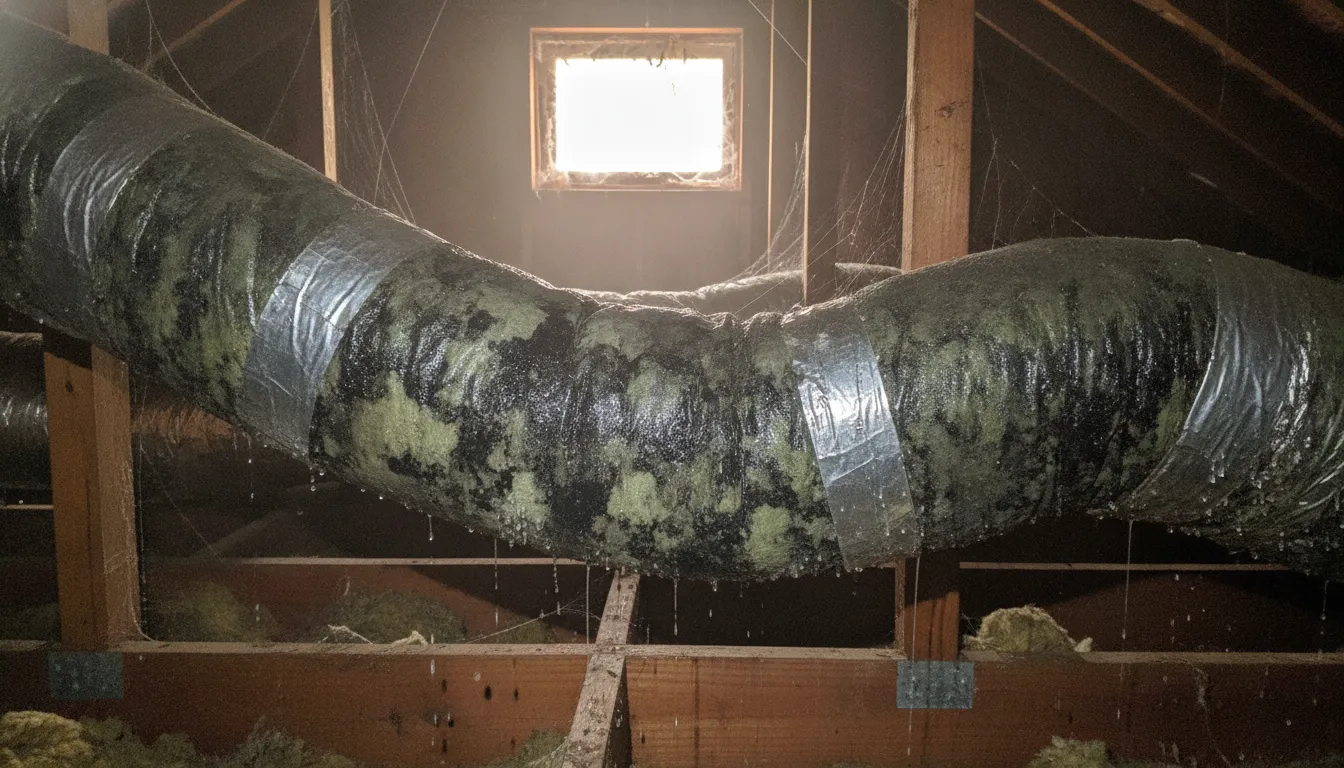
When you’re looking at a large estimate, it can be tempting to cut corners on things that don’t seem immediately necessary, like high-quality insulation. This is a mistake, especially in our hot and humid climate. In Florida, ducts need proper insulation to prevent conditioned air from warming up as it travels through a sweltering attic, which leads to massive energy loss. Poorly insulated ducts can also "sweat" with condensation, leading to moisture problems and poor indoor air quality. Investing in well-insulated and properly sealed ductwork will lower your energy bills for years to come, making it one of the smartest upgrades for your home.
Hiring a Contractor Without Old-Home Experience
Installing ductwork in a new construction home is straightforward, but older homes are a different story. They come with their own set of quirks, from plaster walls and unique framing to decades of previous renovations. That’s why it’s so important to choose a contractor who has specific experience working on older homes. An inexperienced technician can easily cause unnecessary damage or recommend a one-size-fits-all solution that doesn’t work for your home’s unique layout. When vetting professionals, ask about their experience with homes like yours and check their customer reviews. A team that understands the challenges of older properties will save you time, money, and stress.
How Installation Complexity Impacts the Final Price
When you get a quote for ductwork installation, you’re looking at more than just the cost of materials. The complexity of the job itself is a huge factor in the final price, especially in an older home. Unlike new construction where ducts are installed in open walls, retrofitting a system requires skill and careful planning. Technicians have to work around existing structures, plumbing, and wiring, which can turn a straightforward task into a puzzle. The more intricate the installation, the more time and labor it requires. This is why a detailed, on-site assessment is so important—it allows a professional to see exactly what challenges your home presents before giving you an accurate estimate for your air conditioning installation.
Every twist, turn, and tight squeeze can add to the bottom line, so understanding these potential hurdles helps you set a realistic budget from the start. Factors like the number of stories in your home, the location of your HVAC unit, and the need for specialized equipment all play a role. A simple, single-story home with an accessible attic will always be less complex than a multi-level home where ducts need to be fished through finished walls and floors. A trustworthy contractor will walk you through these variables, explaining how each one affects the scope and cost of the project.
Placing Supply and Return Ducts
Where your ducts are placed has a direct impact on labor costs. If your home has an easily accessible attic or an unfinished basement, technicians can move freely and install the ductwork relatively quickly. This is the most cost-effective scenario. However, many older Florida homes have tight crawl spaces or lack an attic altogether. In these cases, ducts may need to be run inside finished walls or ceilings. This process is much more involved, often requiring technicians to carefully cut into drywall or plaster and then patch it up afterward. The extra labor and materials for these repairs naturally increase the overall project cost.
Getting the Duct Size Right
Ductwork is not a one-size-fits-all solution. For your HVAC system to run efficiently and keep your home comfortable, the ducts must be sized correctly. This involves a careful calculation based on your home’s square footage, layout, insulation, and the power of your AC unit. If ducts are too small, they restrict airflow, forcing your system to work harder and leading to premature wear and tear. If they’re too large, the air moves too slowly and can’t effectively cool your rooms. A professional contractor will perform a proper design analysis to ensure your new ductwork system is perfectly matched to your home’s specific needs.
Considering a Zoning System
Older homes are notorious for having uneven temperatures—maybe the upstairs is always warmer than the downstairs, or one side of the house gets blasted by the afternoon sun. A zoned HVAC system is a fantastic solution that lets you control the temperature in different areas, or "zones," of your home independently. While adding a zoning system improves comfort and can save energy, it also adds complexity to the ductwork installation. The project will require installing electronic dampers, additional thermostats, and a more intricate duct layout to direct air where it’s needed. This upfront investment increases the project cost but can deliver significant long-term value in both comfort and efficiency.
Adding Insulation and Air Sealing
In Florida’s hot and humid climate, running uninsulated ducts through a scorching attic is a recipe for energy waste. The cool air inside the ducts will absorb heat from the attic, forcing your AC to work much harder to cool your home. That’s why proper insulation is essential. Beyond insulation, every joint and connection in the ductwork must be meticulously sealed to prevent air leaks. Leaky ducts can lose up to 30% of the air that moves through them, sending your cooled air into the attic or crawlspace instead of your living room. A quality installation always includes thorough insulation and sealing, which adds to the cost but pays for itself in lower energy bills and improved performance.
How to Choose the Right Contractor for Your Old House
Installing new ductwork in an older home is a significant investment, and the contractor you hire can make all the difference. The right team will not only do the job correctly but will also respect the unique character of your home, ensuring the new system works efficiently without causing damage. A great installation means better comfort, lower energy bills, and peace of mind for years to come.
Choosing a contractor isn't just about finding someone who can connect a few ducts. It's about finding a partner who understands the specific challenges older Florida homes present. From working within tight crawl spaces to preserving historical details, the right pro has seen it all. Before you sign any contracts, make sure you’ve vetted potential contractors on a few key points to protect your home and your budget.
Why Experience with Older Florida Homes Matters
Older Florida homes have a certain charm, but they also come with unique construction quirks that can complicate an HVAC project. A contractor without specific experience in these properties might not know how to handle plaster walls, limited attic space, or the high humidity that can wreak havoc on a poorly designed system. Sizing an HVAC unit and designing ductwork for an old house requires a level of skill that only comes with hands-on experience. An experienced technician knows how to work with your home’s existing structure to create a system that is both effective and efficient. They can anticipate potential issues before they become costly problems, ensuring your air conditioning installation goes smoothly.
Verify Licenses and Insurance
This step is non-negotiable. A licensed and insured contractor protects you from liability if something goes wrong on the job. Licensing proves they meet state requirements for knowledge and competency, while insurance covers any accidental damage to your property or injuries to their crew. Before hiring anyone, ask for proof of their license and insurance, and don't be afraid to verify it. Reputable companies will be transparent and happy to provide this information. You can also check their reputation by reading online testimonials from other homeowners in your area. This simple check ensures you're working with a legitimate professional who stands by their work and protects their clients.
Get Detailed, Written Estimates
Never rely on a verbal quote, especially for a complex project like a full ductwork installation. A professional contractor will provide a detailed, written estimate that breaks down all the costs involved. This document should clearly outline the scope of work, materials to be used, labor costs, and a projected timeline. Getting a written estimate allows you to compare apples to apples when shopping around. While it’s wise to get a few different quotes, don’t let price be your only guide. The cheapest bid might come from an inexperienced contractor who cuts corners. Instead, look for a fair price from a reputable company that provides a thorough and transparent process when you contact them for an estimate.
Understand the Warranty and Guarantees
A solid warranty is a sign that a contractor is confident in their workmanship and the quality of the materials they use. Before making a final decision, make sure you understand the warranties and guarantees they offer. Ask specific questions: What does the warranty cover for both parts and labor? How long does it last? What is the process if you need to make a claim? A trustworthy contractor will provide clear, straightforward answers and put everything in writing. This ensures that if an issue arises after the installation is complete, you have a clear path to getting it resolved without unexpected costs. It’s an essential part of any air conditioning maintenance and installation agreement.
How Can You Save Money on Ductwork Installation?
Installing new ductwork in an older home is a major project, but the investment doesn't have to break the bank. With a bit of planning, you can find several ways to make the cost more manageable. It’s not about cutting corners on quality—which can lead to bigger problems down the road—but about making smart financial decisions. From finding the right payment plan to taking advantage of local programs, a strategic approach can save you a significant amount of money. Here are a few practical steps you can take to keep costs in check.
Explore Financing and Payment Plans
The upfront cost of a full ductwork installation can feel overwhelming, but you don’t have to pay for it all at once. Many reputable HVAC companies understand this is a significant household expense and offer flexible payment solutions. Some contractors provide attractive financing options, including plans with 0% interest for a set period. While it's wise to confirm the total cost, these plans can be an excellent way to get the work done now and pay over time. When you get an estimate, always ask about the available payment plans and read the terms carefully.
Find Energy Rebates and Tax Credits
Upgrading your ductwork is an investment in your home's energy efficiency. Old, leaky ducts can force your HVAC system to work much harder, wasting up to 20% of the conditioned air you pay for. By installing new, properly sealed ductwork, you can lower your monthly energy bills. Better yet, you can often get help paying for it. Look for federal tax credits and local utility rebates for energy-efficient upgrades. You can check resources like the ENERGY STAR website or your local power company’s page to see what programs are available in Florida. An experienced contractor can also help you choose qualifying materials.
Schedule Your Project to Save on Labor
Labor is one of the biggest factors in your final installation bill, and timing can make a real difference. HVAC contractors are busiest during the peak of summer and winter when everyone’s systems are working overtime. If you can, try scheduling your ductwork installation during the milder "shoulder seasons" of spring or fall. With less demand for emergency repairs, companies often have more scheduling flexibility and may even offer better pricing on labor. Regardless of when you schedule the work, the best way to ensure a fair price is to get detailed, written estimates from a few licensed and insured local professionals.
How to Avoid Costly Installation Mistakes
Installing new ductwork is a major investment, especially in an older home. The last thing you want is to pay for a job twice because it wasn't done right the first time. A few common missteps can lead to inefficient cooling, higher energy bills, and even damage to your home. By understanding these potential pitfalls, you can ensure your project goes smoothly and gives you the comfortable, efficient home you deserve.
When you're dealing with the unique quirks of an older house—from plaster walls to unpredictable framing—the margin for error is smaller. A poorly planned installation doesn't just mean one room is warmer than another; it can mean condensation dripping inside your walls, an overworked AC unit that fails years too soon, or air quality issues that affect your family's health. Taking the time to get these key details right from the start isn't just about saving money on the initial job. It's about ensuring your home is a safe, comfortable, and efficient space for years to come. Let's walk through the most critical mistakes to avoid so you can feel confident in your ductwork project.
Choose the Right Materials for Florida's Climate
Florida's heat and humidity are tough on HVAC systems, and your ductwork is no exception. While flexible ducts are often cheaper and easier to install, they can be problematic if not handled correctly. Stretching the material can create kinks and restrict airflow, forcing your AC to work harder. More importantly, in our climate, ducts need proper insulation to prevent energy loss and condensation, which can lead to moisture problems. Choosing durable, well-insulated materials from the start is key to an efficient system that can withstand our demanding weather and maintain good indoor air quality.
Don't Install the Wrong Size Ductwork
One of the most frequent and costly mistakes is installing the wrong size ductwork. If ducts are too small for your HVAC system, it’s like forcing air through a tiny straw. Your system will strain to push air through, leading to poor airflow, uneven temperatures, and higher energy bills. You’ll notice frustrating hot and cold spots throughout your house. An experienced technician will perform a detailed calculation to determine the exact size your home needs, ensuring every room gets the right amount of cool air without overworking your AC unit. This proper sizing is fundamental to an effective air conditioning installation.
Plan for Easy Maintenance Access
Think about the future. Your ductwork will eventually need cleaning, sealing, or repairs. If a contractor installs ducts in a cramped attic, a tight crawl space, or inside finished walls without planning for access, future service calls will be a nightmare. Technicians may have to cut into your drywall just to reach the ducts, turning a simple repair into a messy and expensive project. A smart installation plan always includes accessible points for future air conditioning maintenance. This foresight saves you significant money and hassle over the life of your system.
Partner with an Experienced Local Pro
Installing ductwork in an old house is not a job for a general handyman. It requires a deep understanding of how older homes were built and how to work around their unique challenges without compromising structural integrity. When vetting contractors, look for a team with proven experience in older Florida homes. Check their licenses, insurance, and customer reviews. A seasoned local professional will anticipate potential issues, recommend the right solutions, and provide a detailed, transparent estimate. Partnering with an expert team like 5 Star Air ensures the job is done right, protecting your home and your investment.
Frequently Asked Questions
How long does a ductwork installation usually take in an older home? The timeline really depends on the specifics of your house. For a more straightforward project in a single-story home with good attic or crawl space access, it might take a few days. However, if the job involves working in tight spaces, running ducts through finished walls, or making structural changes like building soffits, it could easily extend to a week or more. A thorough on-site assessment is the best way to get a realistic timeframe for your project.
Is it worth replacing my old ductwork, or should I just get it repaired? This is a great question that comes down to the overall condition of your current system. If you have a few minor leaks or a disconnected joint, a professional repair is often a cost-effective solution. But if your ducts are old, improperly sized for your current AC unit, or have widespread issues with leaks and poor insulation, a full replacement is usually the smarter long-term investment. A new system will dramatically improve your home's efficiency and air quality in a way that patching up an old one simply can't.
Will new, properly installed ductwork actually lower my energy bills? Yes, it can make a huge difference. Think of old, leaky ducts as a garden hose full of holes—you lose a lot of water before it ever reaches the flowers. Similarly, old ductwork can lose up to 30% of the cooled air into your attic or crawlspace. A new, professionally sealed and insulated system ensures that conditioned air gets where it's supposed to go. This means your AC unit doesn't have to work nearly as hard, which translates directly into lower monthly energy costs.
Can I save money by doing some of the work myself? While the DIY spirit is admirable, ductwork installation is a project best left to experienced professionals. It involves much more than just connecting tubes. An efficient system requires precise design and sizing calculations to ensure proper airflow to every room. If the ducts are sized incorrectly or not sealed perfectly, you’ll end up with an inefficient system, high energy bills, and poor comfort. The cost of fixing these mistakes often ends up being far more than hiring a qualified pro from the start.
What's the very first step I should take to get an accurate price for my home? The best first step is to schedule a professional, on-site assessment. An online calculator or a quote over the phone can only give you a rough ballpark figure. To get an accurate and honest price, a technician needs to see your home's unique layout, measure the space, check for any accessibility challenges, and evaluate your existing HVAC system. This detailed inspection is the only way to understand the true scope of the project and get a quote you can rely on.