How Much Is Central Air Installation? A Full Cost Guide
Trying to figure out how much is central air installation should cost can feel like you’re navigating a maze of confusing quotes and technical jargon. It’s easy to feel overwhelmed and worry about making the wrong choice or overpaying. This article is your roadmap. We’re going to break down every factor that influences the final price, from the SEER rating of the unit to the permits required for the job. My goal is to arm you with the knowledge you need to ask the right questions, compare estimates like a pro, and choose a contractor you can trust to give you a fair, transparent price.
Key Takeaways
- Budget for More Than Just the Box: A complete installation quote covers the AC unit, professional labor, and potential extras like duct repairs or electrical work. Always ask for an itemized breakdown to avoid surprise costs.
- The Right Size Delivers the Best Value: An oversized or undersized AC unit wastes energy and wears out faster, costing you more in the long run. A professional assessment ensures you get a perfectly sized, high-efficiency system that lowers your monthly bills.
- Compare Quotes, Not Just Final Prices: Get at least three detailed estimates to make a true apples-to-apples comparison. Look closely at the equipment quality, SEER rating, and labor warranties to understand the full value each contractor is offering.
How Much Does Central Air Installation Cost?
Let's get straight to it: installing a new central air system is a significant home investment. The final price tag can vary quite a bit, but understanding the key components of the cost will help you budget wisely and feel confident in your decision. Think of it less as an expense and more as an upgrade to your home's comfort and value, especially here in Florida. When you're ready for a new system, the first step is getting a clear picture of what you can expect to pay. A professional air conditioning installation involves more than just the unit itself, and knowing the breakdown is key to finding a fair price. From the size of your home to the efficiency rating of the unit you choose and the condition of your existing ductwork, several elements come together to form your final quote. Getting familiar with these factors empowers you to ask the right questions and spot a great deal from a questionable one. We'll walk through the main cost factors so you can approach your project with clarity and ensure you're getting the best possible system for your home and budget.
The typical price range for a new AC system
For a standard-sized home, you can generally expect the cost of a new central air installation to fall somewhere between $5,000 and $12,000. Most homeowners find their final bill lands around the $7,000 mark. Of course, this is a broad range because every home is different. Factors like the size of your house, the efficiency of the unit you choose, and the condition of your existing ductwork all play a major role in determining the final cost. This range gives you a solid starting point for your budget, but a personalized quote is the only way to know for sure.
What's included in a standard installation quote
A standard quote is typically split into two main parts: the equipment and the labor. The equipment is the physical AC unit itself, while labor covers the time and expertise of the technicians who install it. Labor costs can range from $75 to $250 per hour, depending on the complexity of the job. A trustworthy quote will break these costs down for you, so you can see exactly what you're paying for. At 5 Star Air, we believe in transparent pricing, which means you’ll never have to guess where your money is going. We’ll walk you through every line item before any work begins.
How home size affects the final price
The size of your home is one of the biggest factors influencing the cost. A larger home requires a more powerful air conditioner to cool it effectively, and more powerful units cost more. As a general rule, you need about 20 BTUs (British Thermal Units, a measure of cooling power) for every square foot of living space. For example, a 2,000-square-foot house would typically need a 2.5 to 3.5-ton unit. Getting the size right is crucial—a unit that’s too small will struggle to cool your home, while one that’s too big will cycle on and off too frequently, wasting energy. A professional assessment is the best way to determine the perfect size for your home.
What Factors Drive Up Your Installation Cost?
When you get a quote for a new central air system, you're looking at more than just the price of the unit. Several key factors come together to determine the final cost of your project. Understanding these variables will help you see exactly where your money is going and make a confident decision for your home.
Your home's size and layout
The bigger your home, the more powerful your AC unit needs to be—and that affects the price. A system for a 1,200-square-foot condo will naturally cost less than one for a 3,000-square-foot house. For example, installing central air in a 2,000-square-foot home can range from $5,000 to $12,000. But it’s not just about square footage. The layout, ceiling height, and number of windows all play a role in how much cooling power you need. A professional air conditioning installation includes a calculation to find the perfect size for your space, ensuring you don't overpay for a unit that’s too big or end up with one that can’t keep up with the Florida heat.
The AC unit's brand and efficiency (SEER rating)
Think of an AC unit's SEER (Seasonal Energy Efficiency Ratio) rating like a car's MPG—the higher the number, the more efficient it is. Units with higher SEER ratings, typically from 18 to 22, cost more upfront but can save you a significant amount on your monthly energy bills. While a more efficient model is a bigger initial investment, the long-term savings can be substantial. The brand of the unit also influences the price, with different manufacturers offering various features and warranties. We can walk you through the options to find a reliable and efficient system that fits your budget and keeps your home comfortable for years to come.
The state of your current ductwork
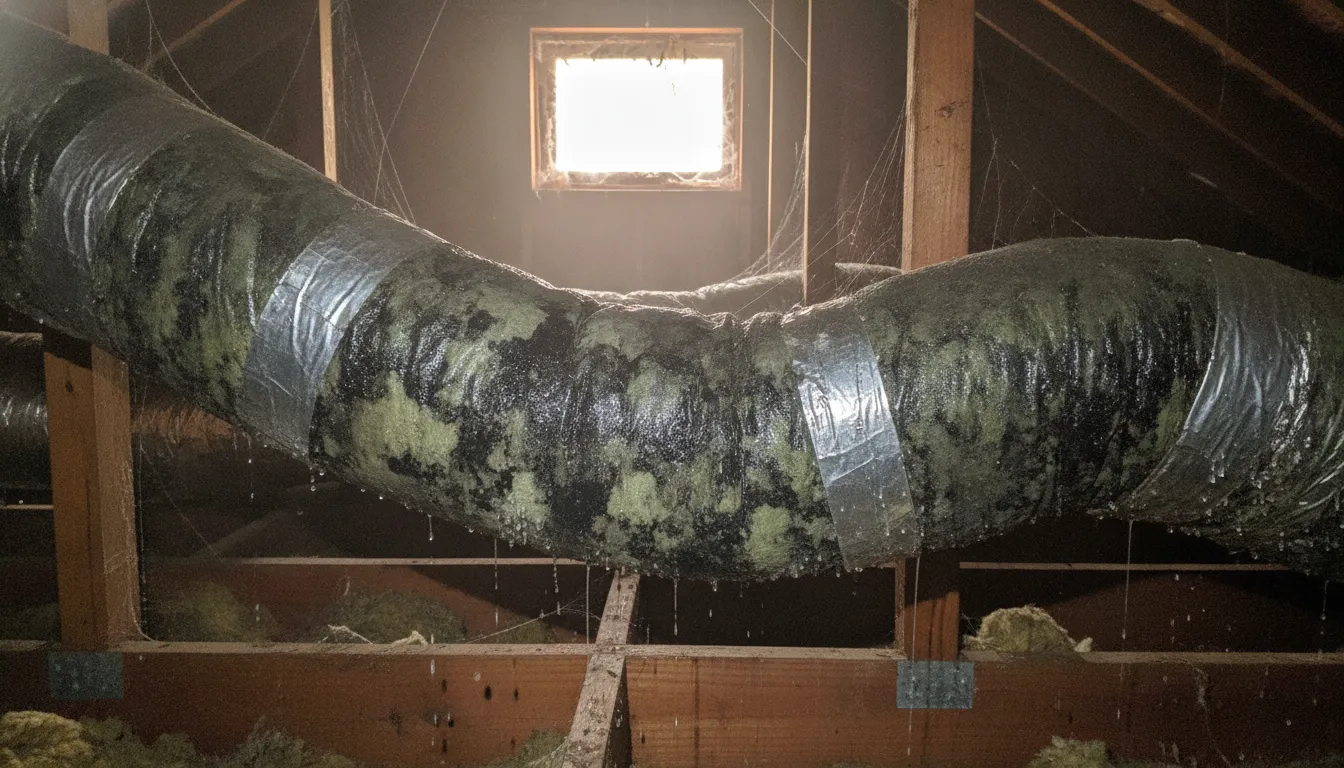
Your home’s ductwork is the highway for cool air, and its condition is a major cost factor. If you have existing ducts that are in good shape, the installation will be simpler and more affordable. However, if your ducts are old, leaky, or improperly sized, they may need repairs or a full replacement. Installing a brand-new duct system will add to the overall project cost, as it involves more labor and materials. A thorough duct sanitization and replacement can also improve your home's air quality, making it a worthwhile investment for your family's health and comfort.
Your location and local labor rates
Just like the cost of living varies from one city to another, so do labor rates for skilled technicians. The price for professional installation in Southwest Florida will be different from rates in other parts of the country. At 5 Star Air, we believe in transparent pricing without any hidden fees. Our quotes clearly outline the costs for labor, so you know exactly what you're paying for. As a locally owned and operated business, we're committed to providing fair, honest pricing for our neighbors right here in the communities we serve.
The time of year you schedule the installation
Timing can make a difference in what you pay. The busiest season for HVAC companies is, unsurprisingly, the peak of summer, from May through August. During these months, high demand can sometimes lead to higher prices and longer wait times. If your current system can hold out, scheduling your installation during the cooler, off-season months like fall or winter could lead to more flexible scheduling and potential savings. Planning ahead is a great way to manage your budget. Contact us to discuss the best time for your installation and get a clear, upfront quote.
Does a Bigger, More Efficient AC Unit Always Cost More?
It’s a common assumption: a bigger, more powerful AC unit must be more expensive. While there's some truth to that, the real story is more about value than just the initial price tag. The most expensive air conditioner is the one that’s wrong for your home. An oversized unit will constantly turn on and off, wasting energy and failing to properly dehumidify your space—a huge issue here in Florida. A unit that’s too small will run constantly, driving up your bills while never quite getting your home cool enough.
The goal isn't to find the biggest or the cheapest unit; it's to find the right unit. This involves a careful balance between the system's size (its cooling capacity), its energy efficiency rating, and your budget. A slightly higher upfront investment in a high-efficiency model that’s perfectly sized for your home can lead to significant savings on your monthly energy bills, paying for itself over time. That’s why a professional air conditioning installation focuses on finding the perfect fit, not just the most powerful machine.
Why the right size unit matters most
When it comes to air conditioning, "bigger is better" is a myth that can cost you. The size of your AC unit needs to be precisely matched to your home's specific needs. An oversized unit cools the air too quickly in short, inefficient bursts. This process, known as "short cycling," prevents the system from running long enough to remove humidity from the air, leaving you with that cold, clammy feeling. It also causes excessive wear and tear on the system's components, leading to more frequent repairs and a shorter lifespan. Getting the size right from the start ensures your system runs efficiently and keeps you comfortable for years.
Matching AC tonnage to your home's square footage
You’ll often hear AC capacity measured in "tons" or BTUs (British Thermal Units). Think of BTUs as a measure of heat removal; the more BTUs, the more heat the unit can pull out of your home per hour. As a general guideline, you need about 20 BTUs for every square foot of living space. So, a 2,000-square-foot home would need a system with around 40,000 BTUs, or a 3.5-ton unit. However, square footage is just the starting point. A professional also considers factors like ceiling height, window quality, insulation, and how much sun your home gets before recommending the perfect size.
Balancing upfront costs with long-term savings (SEER)
The efficiency of an AC unit is measured by its SEER (Seasonal Energy Efficiency Ratio) rating—the higher, the better. A unit with a high SEER rating costs more upfront but uses less energy to cool your home. For example, choosing a 16 SEER unit over a 14 SEER model might add to the initial price, but it could save you a significant amount on your cooling costs each year. When you live in a place like Southwest Florida where the AC runs constantly, those savings add up fast. We can help you explore financing options to make a high-efficiency unit more accessible, so you can enjoy lower energy bills right away.
Are There Hidden Costs to Plan For?
The price tag on the AC unit itself is just one piece of the puzzle. When you get a quote for a new central air system, it’s crucial to understand what’s included and what might pop up as an additional expense. A truly transparent quote will account for these variables, but it’s always smart to know what to look for. Think of it less as "hidden costs" and more as "project-specific needs." Your home is unique, and your installation will be, too. Here are a few common factors that can affect the final price beyond the unit itself.
Professional labor and installation fees
A huge part of your investment goes toward the skilled technicians who ensure your system is installed correctly and safely. Labor costs can vary, but you can generally expect them to range from $75 to $250 per hour. For a standard installation, this portion of the bill often falls between $500 and $2,500. A trustworthy company will break down these fees in your estimate so you know exactly what you’re paying for. This isn't just about manpower; it's about the expertise required for a flawless air conditioning installation that will keep your home cool for years.
Ductwork repairs or full replacement
Your home’s ductwork is the highway for cool air. If those pathways are old, leaky, or improperly sized, your new, efficient AC unit won’t perform at its best. An initial inspection might reveal that you need minor repairs, which could cost a few hundred dollars. However, if your ducts need a complete overhaul, especially in an older home, you could be looking at a more significant investment. A full duct replacement is a major job, but it’s essential for getting the most out of your new system and improving your home's air quality.
Necessary permits and local inspections
Installing a new HVAC system isn't a simple appliance swap; it's a major home improvement project that has to meet local building codes. This means your contractor will need to pull a permit before work begins. The cost of the permit and any required inspections by a municipal official will be added to your total bill. While it’s an extra expense, it’s also your assurance that the job is done to code, ensuring your family’s safety and the system’s proper function. A professional contractor handles this entire process for you, making it a seamless part of the installation.
Potential electrical system upgrades
Modern air conditioners are incredibly efficient, but they still have specific electrical requirements. If you live in an older home, your electrical panel might not be equipped to handle the demands of a new unit. A technician might determine that you need a new circuit or even a panel upgrade to safely power the system. This isn't something you can skip. Upgrading your electrical system is a critical safety measure that ensures your AC runs reliably without overloading your home’s wiring. It’s another reason why a thorough initial assessment from an experienced team is so important.
Don't Fall for These Common Cost Myths
When you’re facing a big home investment like a new central air system, it’s easy to get overwhelmed by conflicting information. The internet is full of advice, but not all of it is accurate, especially when it comes to cost. Making a smart financial decision starts with separating fact from fiction. Let's clear the air and walk through some of the most common myths about AC installation costs so you can move forward with confidence. Understanding these points will help you find a fair price and a contractor you can trust for a job done right.
Myth: All installation quotes are created equal
It’s tempting to collect a few quotes and simply choose the lowest number, but that can be a costly mistake. A quote is more than just a final price; it’s a reflection of the work, equipment, and guarantees being offered. To make a fair comparison, you should always ask for a detailed, itemized list of costs. Make sure each estimate clearly outlines the price for the equipment itself, labor, any necessary permits, and all warranties. Getting at least three different estimates will give you a much clearer picture of the market rate and help you spot any outliers—whether they’re suspiciously low or unreasonably high.
Myth: The initial quote is the final price
A quick quote over the phone might seem convenient, but it’s rarely the final price you’ll pay. An honest and accurate estimate can only be given after a technician has thoroughly assessed your home. The final cost of your air conditioning installation depends on several unique factors, including your home's square footage, the condition of your existing ductwork, the unit’s energy efficiency (SEER rating), and even your home’s layout. A reputable contractor will inspect your property first to provide a comprehensive quote that accounts for the specific needs of your space, preventing surprise charges down the line.
Myth: A DIY installation will save you money
While tackling home projects yourself can be rewarding, installing a central air system is a job best left to the professionals. This isn't just about convenience; it's about safety and long-term performance. An improper installation can void your manufacturer's warranty, lead to recurring operational problems, and create serious electrical or refrigerant hazards. To protect your investment and your family, always hire a licensed HVAC professional. Our technicians are fully licensed and insured, ensuring your new system is installed correctly and safely from day one.
Myth: The spending stops after installation
Installing a new AC unit is the biggest expense, but your financial commitment doesn't end there. To keep your system running efficiently for years to come, you need to plan for ongoing care. Think of it like getting regular oil changes for your car. Consistent, seasonal maintenance is essential for extending the life of your unit, maintaining its efficiency, and catching small issues before they turn into expensive emergency repairs. Investing in a preventative air conditioning maintenance plan is one of the smartest ways to protect your new system and your budget.
How to Create a Smart Budget for Your New AC
A new AC system is a major home investment, but it doesn't have to be a financial shock. With a little planning, you can create a budget that makes sense for your family and your home. It’s all about knowing where to look for savings and how to manage the costs effectively. From timing your installation perfectly to finding hidden savings through rebates, these strategies will help you feel confident and prepared. Think of it as a roadmap to getting the best possible system for your home without breaking the bank.
Get multiple, detailed estimates
This is the most important first step. You should always get price estimates from at least three different HVAC companies. But don't just look at the final number. Ask each contractor for a detailed breakdown that lists the costs for the equipment, labor, necessary permits, and any warranties. This allows you to compare apples to apples and spot any red flags. A trustworthy company will be transparent about their pricing and happy to walk you through every line item. This is your chance to find a partner, not just a contractor, for your air conditioning installation.
Schedule your installation during the off-season
Timing is everything. If you can, try to schedule your installation during the spring or fall. HVAC companies are busiest during the sweltering summer heat and the first cold snaps of winter. During these "off-seasons," demand is lower, which can sometimes lead to more competitive pricing or greater scheduling flexibility. Planning ahead not only helps your budget but can also mean a faster, smoother installation process. It's a simple supply-and-demand trick that can work in your favor and help you save on your new AC.
Look into flexible financing options
Even with a solid budget, the upfront cost of a new central air system can be a lot to handle at once. Don't let that stop you from getting the efficient, reliable system your home needs. Many HVAC companies offer flexible financing options to help spread the cost over time into manageable monthly payments. This can make a high-efficiency unit more accessible and take the pressure off your savings. It’s always worth asking what programs are available so you can choose a payment plan that fits comfortably within your budget.
Find available rebates and tax credits
This is a step many homeowners miss, but it can lead to significant savings. Before you buy, check for available tax credits and rebates for energy-efficient AC units. These incentives are often offered by federal and local governments, utility companies, and even the equipment manufacturers themselves. A high-efficiency system might have a higher price tag initially, but these programs can dramatically reduce the net cost. You can often find information on programs like these on the ENERGY STAR website, which helps you save money while also lowering your future energy bills.
What Happens on Installation Day?
Knowing what to expect on installation day can make the entire process feel smooth and stress-free. While every home is a little different, a professional installation follows a clear, organized plan. Our goal is to get your new system running perfectly with as little disruption to your day as possible. From the moment our technicians arrive, they’ll have a structured process to ensure everything is done right. Here’s a look at how the day typically unfolds.
The initial home assessment and walkthrough
Before any tools come out, our technicians will start with a final walkthrough of your home. This isn't about changing the plan, but about confirming it. They’ll double-check the installation sites for both the indoor and outdoor units, assess the path they'll need to carry equipment, and verify access to your ductwork and electrical panel. This step ensures that the AC installation goes smoothly and that your property is protected. It’s also the perfect time for you to ask any last-minute questions and feel completely comfortable before the work begins.
A realistic timeline for the project
A standard central air installation is usually completed within a single day, often taking between four to eight hours. The process starts with carefully removing your old AC unit and preparing the area for the new system. Next, our technicians install the new outdoor condenser and the indoor evaporator coil. Once both units are in place, they’ll connect the refrigerant lines, drain lines, and electrical wiring. The final step involves testing the entire system to make sure it’s running at peak performance. Our professional team works efficiently to get your cool air flowing as quickly as possible.
How to prepare your home for the technicians
A little preparation can make a big difference on installation day. The most helpful thing you can do is clear a path for our technicians. Make sure the areas around your indoor air handler (often in a closet, attic, or garage) and the outdoor unit are free of furniture, boxes, or yard debris. This gives the team a safe and open workspace. It’s also a good idea to secure any pets to keep them safe and out of the way. If you have any specific concerns before our arrival, feel free to contact us ahead of time.
Is a New Central Air System a Good Investment?
Thinking about a new central air system purely in terms of cost is missing the bigger picture. It’s not just an expense; it’s a significant upgrade to your home and lifestyle. When you live in Florida, a reliable AC is non-negotiable, but a new system offers returns that go far beyond simple cooling. From tangible savings on your monthly utility bills to creating a healthier living space and even increasing your home's market value, the benefits are clear. A modern AC unit is an investment in your comfort, your health, and your property.
Lowering your monthly energy bills
One of the most immediate and satisfying returns on your investment is the drop in your monthly energy bills. Older AC units, especially those over 10 years old, are simply not as efficient as today's models. A new standard HVAC system can save you 20-40% on cooling costs compared to an older unit. This is because modern systems have higher Seasonal Energy Efficiency Ratio (SEER) ratings, meaning they use less energy to produce the same amount of cool air. Over the lifespan of the unit, these monthly savings can add up to a substantial amount, helping to offset the initial air conditioning installation cost.
Creating a more comfortable, healthier home
Beyond the financial savings, a new AC system dramatically improves your home's overall comfort and air quality. Aging systems often struggle to keep up during intense Florida heatwaves, leading to inconsistent temperatures, hot spots, and poor humidity control. A new, properly sized unit provides consistent, even cooling throughout your home, eliminating that stuffy, humid feeling. More importantly, modern systems are equipped with advanced filtration technology that can significantly improve your indoor air quality. They do a much better job of removing dust, pollen, pet dander, and other airborne pollutants, creating a healthier environment for you and your family to breathe in every day.
Increasing your property's value
A new central air system is a feature that adds real, measurable value to your property. In a hot and humid climate like Southwest Florida, a modern, efficient, and reliable AC unit is a major selling point for potential buyers. It provides peace of mind, assuring them they won't be facing a costly replacement anytime soon. In fact, real estate experts agree that adding central air can make your home more valuable and help it sell faster. Think of it as an upgrade that not only enhances your daily life while you live in the home but also pays you back when it's time to sell. It’s an investment that prospective buyers notice and appreciate.
How to Get an Honest, Accurate Quote
Getting a quote for a new central air system can feel overwhelming, but it doesn’t have to be. The key is knowing what to look for and what to ask. A trustworthy quote is more than just a number; it’s a detailed plan that gives you a clear picture of the work, the equipment, and the total investment. A reputable company will walk you through every line item without pressure.
Think of this process as an interview where you’re in charge. You’re looking for a partner who is transparent, knowledgeable, and ready to answer your questions. At 5 Star Air, we believe in upfront, honest pricing because you deserve to know exactly what you’re paying for. Arming yourself with the right information is the best way to find a contractor who shares that value and ensures you get a fair price for a high-quality AC installation.
Key questions to ask every contractor
When you start collecting estimates, your goal is to compare apples to apples. The only way to do that is by asking each contractor the same direct questions. A professional will welcome your diligence and have ready answers.
Start by getting at least three different quotes. When you receive each one, ask for a detailed breakdown of all costs. This should include the price of the AC unit, labor charges, necessary permits, and any warranties. Also, be sure to ask about potential rebates or tax credits for energy-efficient models, as this can make a higher-efficiency unit more affordable. Finally, ask about their licensing and insurance. Any hesitation to provide these documents is a major red flag.
Warning signs of a bad estimate
Just as there are signs of a great contractor, there are clear warnings of a bad one. The most obvious red flag is a quote that isn't itemized. If a contractor gives you a single number with no breakdown of costs for equipment, labor, and permits, ask for more detail. If they can’t provide it, walk away.
Another warning sign is a price that seems drastically lower than the others. While it’s tempting to go for the cheapest option, an unusually low bid often means the contractor is cutting corners, using subpar materials, or isn’t properly licensed and insured. High-pressure sales tactics are also a bad sign. You should never feel rushed into making a decision on the spot. A true professional will give you the time and space to review their estimate thoroughly.
How to compare quotes like a pro
Once you have a few detailed quotes, it’s time to compare them. Look beyond the final number and evaluate the total value. Check the specific make and model of the proposed AC unit. Is one contractor recommending a higher-efficiency unit with a better SEER rating? While it might cost more upfront, a unit with a high SEER rating can save you hundreds on energy bills over its lifespan.
Factor in potential hidden costs. Does the quote account for any necessary ductwork repairs or electrical upgrades? A good quote will address these possibilities. Also, compare the warranties offered for both labor and equipment. A strong warranty shows that the company stands behind its work. By looking at the complete picture—equipment quality, long-term savings, and contractor reliability—you can make a smart investment in your home’s comfort.
Frequently Asked Questions
Why can't I get a firm price over the phone? A quick phone quote would really just be a guess, and we don't believe in guesswork. The final cost depends on factors unique to your home, like its layout, the condition of your ductwork, and your electrical setup. An honest, accurate price is only possible after a technician sees your space in person. This in-home assessment ensures the quote you receive is comprehensive and won't come with surprise charges later on.
Is a high-efficiency AC unit with a high SEER rating actually worth the extra cost? In a place like Florida, absolutely. Because our air conditioners run so frequently, the energy savings from a high-efficiency unit add up much faster here than in cooler climates. While the initial investment is higher, you'll notice the difference in your monthly utility bills right away. Over the life of the system, those savings can easily offset the higher upfront price, making it a very smart financial decision in the long run.
What if my ductwork is old? Will I definitely need to replace it? Not necessarily. An older duct system doesn't automatically mean you're facing a full replacement. During the initial assessment, a technician will thoroughly inspect your ducts for leaks, damage, or improper sizing. Sometimes, all that's needed are some professional sealing and minor repairs to make them work perfectly with your new system. A full replacement is only recommended when the existing ducts are too compromised to efficiently deliver cool air.
How long will the installation process take and will it disrupt my whole house? You can expect a standard installation to be completed within a single day, typically taking between four and eight hours. Our professional teams work very efficiently to minimize any disruption to your routine. While we will need clear access to the indoor and outdoor unit locations, we do our best to keep our work contained. A little prep work, like clearing a path to the work areas, helps the day go even more smoothly.
Besides the unit itself, what's the best way to manage the cost of a new system? Spreading out the expense through flexible financing is one of the most effective ways to make a new system fit your budget. This allows you to get a high-quality, efficient unit without having to pay the full amount at once. You should also always ask your contractor about current manufacturer rebates or local energy tax credits. These programs are designed to make energy-efficient models more affordable and can significantly reduce your final cost.