How to Install Central Air in a House Without Ducts
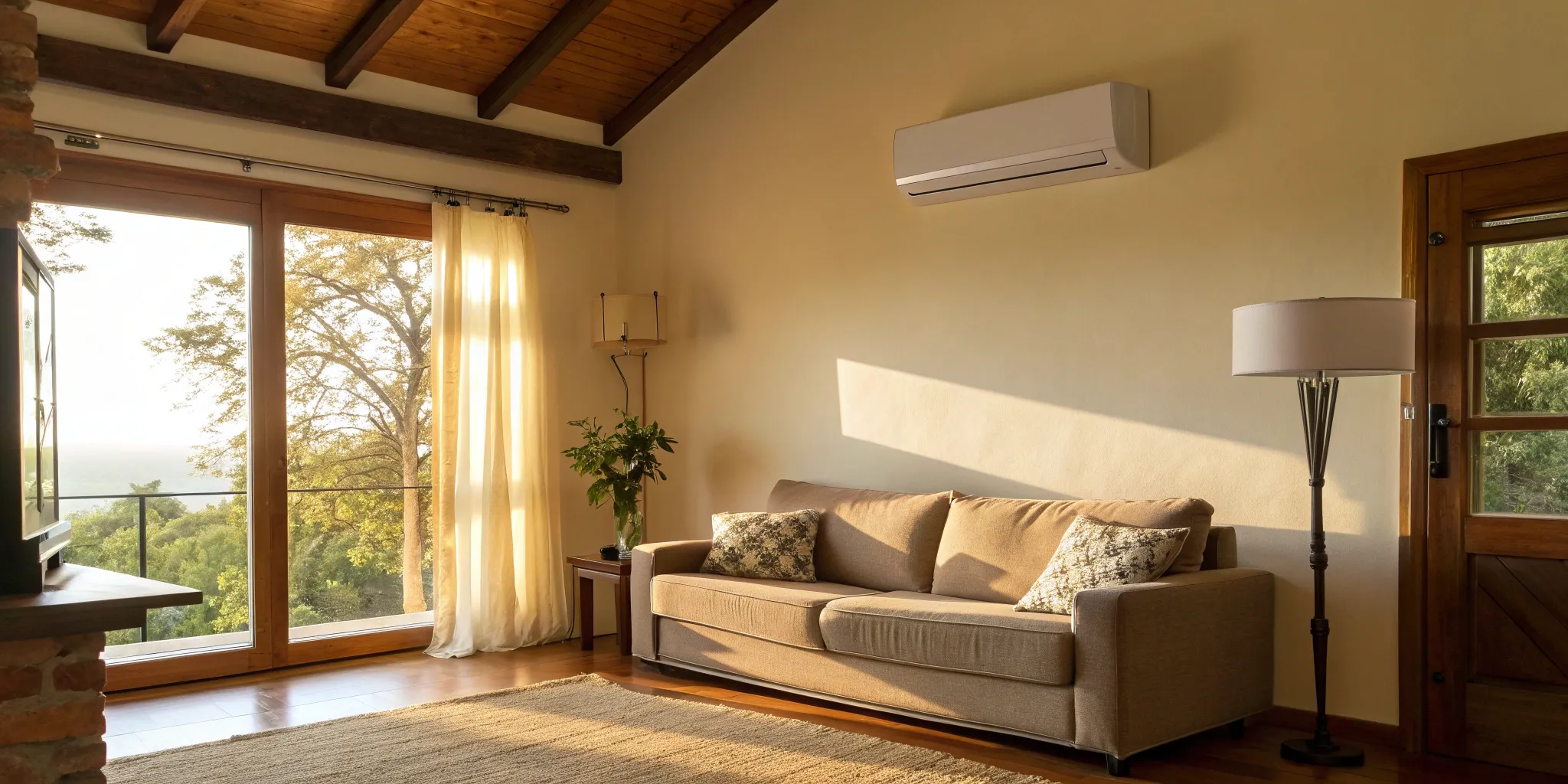
Many homeowners believe that if their house doesn't have ducts, they're stuck with loud, inefficient window AC units forever. This is one of the biggest myths in home comfort. The idea that installing central air in a house without ducts requires a messy, disruptive, and incredibly expensive overhaul is simply outdated. Today, you have powerful, elegant, and surprisingly affordable options that can deliver quiet, even cooling to every room. We're going to break down these modern solutions, explaining exactly how they work and what to expect. You don't have to sacrifice your home's integrity or your peace and quiet to stay cool through the Florida heat.
Key Takeaways
- Choose Ductless for Efficient Cooling Without Major Renovations: For homes lacking ductwork, ductless mini-splits provide powerful, whole-home comfort. They are a modern, effective alternative that avoids the cost and disruption of installing a traditional duct system.
- Proper Sizing and Zoning Maximize Comfort and Savings: A professional installation is key to matching the system's cooling power (BTUs) to your specific rooms. This, along with zoned temperature control, prevents energy waste and ensures every space is perfectly cooled.
- Look Beyond the Initial Price Tag for True Value: The upfront investment in a ductless system is offset by significant long-term savings on your monthly energy bills. Federal tax credits, Florida rebates, and financing options also make the initial cost much more manageable.
How to Get Central Air Without Ducts
Living in Florida without a reliable way to cool your entire home can feel impossible. If your house wasn't built with ductwork, you might think your only options are clunky window units or a massive, expensive renovation. The good news is, that’s not the case. You have several excellent options for achieving whole-home comfort without tearing down walls to install traditional ducts.
From highly efficient modern systems to more traditional solutions, you can find a cooling method that fits your home’s structure and your family’s needs. Let’s walk through the most popular ways to get central air-like cooling in a house without existing ductwork.
Ductless Mini-Split Systems
Ductless mini-split systems are hands-down the best way to get powerful, efficient cooling without ducts. These systems feature an outdoor compressor unit connected to one or more indoor units mounted on the wall. Instead of pushing air through bulky ducts, they use a thin refrigerant line to move heat out of your home. This setup allows you to create different temperature "zones," cooling only the rooms you're using.
Not only do they provide targeted comfort, but they are also incredibly energy-efficient—often up to 40% more efficient than traditional central air systems. If you're looking for a permanent, high-performance solution, a professional air conditioning installation of a ductless system is an amazing investment in your home's comfort and value.
High-Velocity Systems
Another fantastic option for older homes is a high-velocity system. Think of it as a modern take on central air, designed specifically for houses without the space for conventional ductwork. This system uses small, flexible tubes—about the size of a PVC pipe—that can be snaked through walls, ceilings, and closets with minimal disruption.
These small ducts connect to discreet, round vents that deliver a quiet stream of cool air. The system works by circulating air at a high speed, which creates even temperatures throughout the room and eliminates hot or cold spots. It’s a smart way to get the benefits of central AC without the hassle and cost of a major renovation.
Window and Portable Units
Window and portable AC units are the most familiar options for homes without central air. They are relatively inexpensive and easy to set up, making them a decent temporary fix. However, they come with significant downsides. Window units can be noisy, block your view, and often struggle to cool more than a single room effectively, leaving the rest of your home uncomfortably warm.
Portable units offer more flexibility since you can move them between rooms, but they are generally less powerful and efficient than other options. While these can work in a pinch for a small space, they aren't a practical or energy-efficient solution for cooling your entire home through a hot Florida summer.
How Do Ductless Mini-Splits Work?
If you’ve ever wondered how you can get cool, conditioned air in a specific room without tearing open walls to install ductwork, the answer is a ductless mini-split system. Think of it as a flexible, modern solution to an old problem. Unlike traditional central air systems that use a single, large unit to push air through a network of ducts, mini-splits take a more direct and efficient approach. They are designed to cool individual rooms or "zones" in your home, giving you precise control over your comfort and your energy bills.
The magic of a ductless system lies in its simplicity. It’s made up of two main parts that work together seamlessly: an outdoor unit and one or more indoor units. These components are connected by a small bundle of cables and refrigerant lines that pass through a tiny opening in the wall. This design makes the installation process much less invasive than a full ductwork overhaul, saving you from a major construction project. It’s an ideal way to bring targeted cooling to spaces like home additions, converted garages, sunrooms, or older Florida homes where installing ducts just isn’t practical or cost-effective. You get all the power of a central system, but with more flexibility and control.
Indoor and Outdoor Components
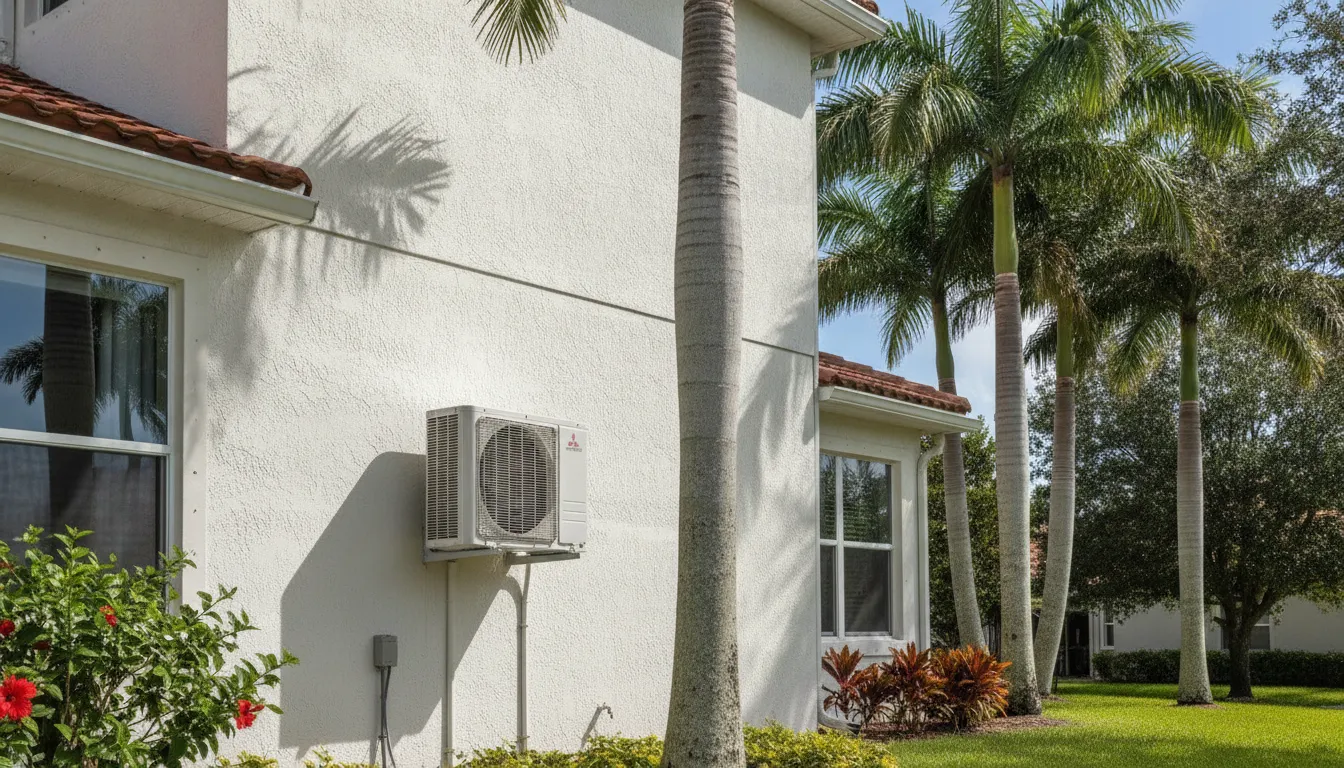
Every ductless mini-split system has two key players: the outdoor compressor/condenser and the indoor air-handling unit. The outdoor unit is the workhorse of the system. It sits outside your home and is responsible for cooling the refrigerant that absorbs heat from inside your house.
The indoor unit is the part you’ll see inside. It’s a sleek, quiet component that’s typically mounted high on a wall or ceiling. Its job is to pull in warm air from the room, pass it over the cold refrigerant coils, and then gently blow the newly cooled air back into your space. Because one outdoor unit can connect to multiple indoor units, you can create a customized cooling solution for different areas of your home.
Refrigerant Lines and Electrical Connections
So, how do the indoor and outdoor units talk to each other? They’re connected by what’s called a conduit. This is a small, insulated bundle that contains the refrigerant lines, electrical wiring, and a condensate drain line. To connect the two, a technician drills a small, three-inch hole through an exterior wall. The conduit is then fed through this opening, creating a secure and sealed connection.
This process is a world away from the extensive construction required to install traditional ductwork. There’s no need to sacrifice closet space or deal with bulky soffits. The minimal drilling means less disruption to your home and a much faster, cleaner installation, getting you back to comfort in no time.
Multi-Zone Capabilities and Temperature Control
One of the biggest advantages of a ductless mini-split system is the ability to create different temperature zones. Since each indoor unit cools a specific room and has its own thermostat, you can set the temperature in your bedroom to a cool 68 degrees while keeping the unused guest room warmer. This level of control means you’re not wasting money or energy cooling empty spaces.
Most systems come with a remote control for each indoor unit, and many modern models even offer smartphone apps for easy adjustments. This means you can change the temperature from the couch or even while you’re away from home. It’s a smart, efficient way to manage your home’s climate and your energy bills.
What Are the Best Ductless AC Systems?
When you start looking into ductless systems, the number of options can feel a bit overwhelming. The good news is that after years of installing and servicing these units, we’ve seen which brands consistently perform well, especially in the demanding Florida climate. While the "best" system ultimately depends on your home's specific needs, a few names stand out for their reliability, efficiency, and overall quality. We'll walk through our top recommendations and explain the key features you should be looking for, like energy efficiency ratings and warranty coverage, so you can feel confident in your choice.
Our Top Recommended Brands and Models
We believe in installing systems that we know will last. That’s why we often recommend brands like Mitsubishi Electric, Fujitsu, and Daikin to our customers. These manufacturers have a proven track record for building durable, high-performance ductless units. For example, certain Mitsubishi models are celebrated for their excellent energy efficiency and come with fantastic warranties. Fujitsu and Daikin also offer powerful and quiet systems that are perfect for cooling specific rooms or entire homes without ductwork. The key is to work with a professional who can recommend the right model for your space and ensure a perfect air conditioning installation.
Understanding Energy Efficiency and SEER Scores
Energy efficiency is a big deal, especially here in Florida where our ACs work overtime. When comparing ductless systems, you’ll see a SEER rating, which stands for Seasonal Energy Efficiency Ratio. Think of it like miles-per-gallon for your car—the higher the SEER rating, the more efficient the unit is, and the less it will cost to run. Most modern ductless systems are Energy Star-certified, which is a great starting point. Investing in a unit with a high SEER score might cost a bit more upfront, but it translates directly into lower monthly energy bills and significant savings over the life of the system.
What to Look for in Warranties
A strong warranty is more than just a piece of paper; it’s a manufacturer’s promise that they stand behind their product. When you’re investing in a new ductless system, you want that peace of mind. Top brands like Mitsubishi often offer generous 12-year limited warranties, which is a great indicator of quality. Before making a final decision, always look at the details. Does the warranty cover parts, the compressor, or both? And for how long? It’s also important to remember that most manufacturers require the system to be installed by a licensed professional to keep the warranty valid, which is another reason to work with a trusted local company.
How to Choose the Right Ductless System
Picking the right ductless system for your home feels like a big decision, but it doesn't have to be overwhelming. It’s all about finding the perfect match for your space, lifestyle, and budget. Unlike a one-size-fits-all approach, ductless mini-splits offer incredible flexibility, allowing you to create a custom comfort solution. The key is to consider a few important factors, from the size and power of the unit to where you’ll place the indoor components.
Thinking through these details ahead of time will ensure you end up with a system that cools your home efficiently and keeps your energy bills in check. We’ll walk you through exactly what you need to know, from understanding technical specs in simple terms to debunking common myths. With the right information, you can feel confident choosing a system that will keep your Florida home comfortable for years to come.
Matching Your Home Size to BTU Capacity
One of the most critical steps is matching the system's capacity to your home's needs. This is measured in BTUs (British Thermal Units), which is just a way of talking about cooling power. Getting this right is essential. A unit that’s too small will struggle to cool your space on a hot Florida day, while a unit that’s too large will turn on and off constantly, wasting energy and failing to properly dehumidify the air. A professional can perform a calculation to determine the exact BTU capacity you need for each room, ensuring your air conditioning installation is perfectly sized for maximum efficiency and comfort.
Deciding on Zones and Placement
The beauty of ductless mini-splits is their ability to create "zones." This means you can control the temperature of individual rooms or areas independently. Have a guest room you rarely use? You don’t have to pay to cool it. This zoning capability is a game-changer for energy savings and personalized comfort. When it comes to placement, the indoor units are sleek and versatile. They can be mounted high on a wall or even on the ceiling, so they blend seamlessly with your home’s decor without requiring a major renovation. This flexibility makes them an ideal solution for older homes or additions where installing ductwork isn't practical.
Common Misconceptions About Ductless Systems
Some people worry that ductless systems aren't as powerful as traditional central air. The truth is, they are incredibly effective and often more efficient, especially for homes without existing ducts. Modern ductless systems from top brands like Mitsubishi and Daikin are engineered for powerful performance and can provide significant energy savings. They work by delivering cooled air directly into a room, which avoids the energy loss that can happen as air travels through a network of ducts. When installed correctly, a ductless system provides consistent, reliable cooling exactly where you need it.
Factoring in Noise Levels and Aesthetics
If you’ve ever been annoyed by the loud hum of a window AC unit, you’ll love how quiet ductless systems are. The indoor units operate at a whisper-soft volume, so you’ll barely notice they’re running. The noisy compressor component is located outside, far away from your living spaces. Aesthetically, mini-splits are a clear winner. Their modern, compact design is far less obtrusive than bulky window units or space-consuming portable ACs. This combination of quiet operation and discreet design makes them a popular choice for homeowners who value both comfort and a peaceful, attractive home environment.
How Much Does a Ductless System Cost?
Okay, let's talk numbers. The cost of a new air conditioning system is a major factor in any homeowner's decision. While the upfront investment for a ductless mini-split system can be higher than a simple window unit, it's often more affordable than retrofitting a home with traditional ductwork. The final price tag depends on several factors, including the size of your home, the number of rooms you want to cool, and the specific model you choose. Understanding these variables will help you budget effectively and see the long-term value.
Breaking Down Installation Costs
The total cost for a professional ductless AC installation typically ranges from $7,000 to $15,000. This price includes the outdoor condenser, one or more indoor air handlers, and the labor to connect them. The final cost fluctuates based on the system's cooling capacity (BTUs), its energy efficiency rating (SEER), and how many zones, or rooms, you need to cool. A single-zone system for a small space will be on the lower end of that range, while a multi-zone system for an entire house will be on the higher end. Our team always provides transparent, upfront pricing so you know exactly what to expect.
Comparing Prices with High-Velocity Systems
When exploring duct-free options, you might also come across high-velocity systems. These use small, flexible tubes to deliver cool air, which can be a good solution for older homes with limited space. However, they come with a significantly higher price tag, generally costing between $20,000 and $45,000 for a whole-home installation. For most Florida homeowners, the ductless mini-split offers a much more cost-effective path to central air without the expense and disruption of installing a high-velocity system or traditional ductwork. It strikes a great balance between performance and price.
Calculating Long-Term Energy Savings
The initial investment is just one part of the story. Ductless mini-split systems are incredibly efficient, which translates to real savings on your monthly utility bills. Because they deliver air directly into a room, they don't suffer from the energy loss that occurs in ductwork—a major issue in many homes. In fact, ductless systems can be up to 40% more efficient than standard central air conditioners. Many models are ENERGY STAR® certified, meaning they meet strict energy performance standards. These ongoing savings help offset the upfront cost over the life of the system, making it a smart financial choice. We also offer flexible financing solutions to make the initial purchase more manageable.
Ductless vs. Traditional Central Air: A Comparison
Choosing the right air conditioning system for your home can feel like a big decision, especially when you don't have existing ductwork. While traditional central air is a familiar option, ductless mini-split systems present a powerful, modern alternative with some serious advantages. The best choice really comes down to your home's specific layout, your budget, and your priorities.
To help you decide, let's break down the key differences between these two cooling methods. We'll look at how they stack up in terms of energy efficiency, what to expect during installation, and the impact each has on your home's air quality and overall comfort. Understanding these distinctions will make it much easier to find the perfect fit for keeping your Florida home cool and comfortable all year long.
Energy Efficiency and Performance
When it comes to saving energy, ductless systems really shine. Traditional central air systems lose a significant amount of cooled air through leaks and poor insulation in the ductwork—sometimes as much as 30% or more. Ductless mini-splits avoid this problem entirely by delivering cool air directly into a room. This direct approach makes them incredibly efficient, often using up to 40% less energy than their ducted counterparts.
What does this mean for you? Lower monthly electricity bills. Many ductless models are also ENERGY STAR® certified, which means they meet strict efficiency guidelines set by the EPA. A professional air conditioning installation ensures your system performs at its peak, maximizing those energy savings from day one.
Installation and Maintenance Differences
The installation process is where you’ll see one of the most dramatic differences. Adding traditional central air to a home without ducts is a major construction project. It often involves cutting large holes in walls, floors, and ceilings to run the extensive ductwork, creating a lot of dust and disruption.
In contrast, installing a ductless mini-split system is much less invasive. The indoor and outdoor units are connected by a small conduit that only requires a three-inch hole in an exterior wall. The whole process is cleaner, faster, and preserves the original structure of your home. Both systems require routine air conditioning maintenance to run smoothly, but ductless maintenance is typically focused on cleaning the filters and coils of each individual unit.
Air Quality and Temperature Control Benefits
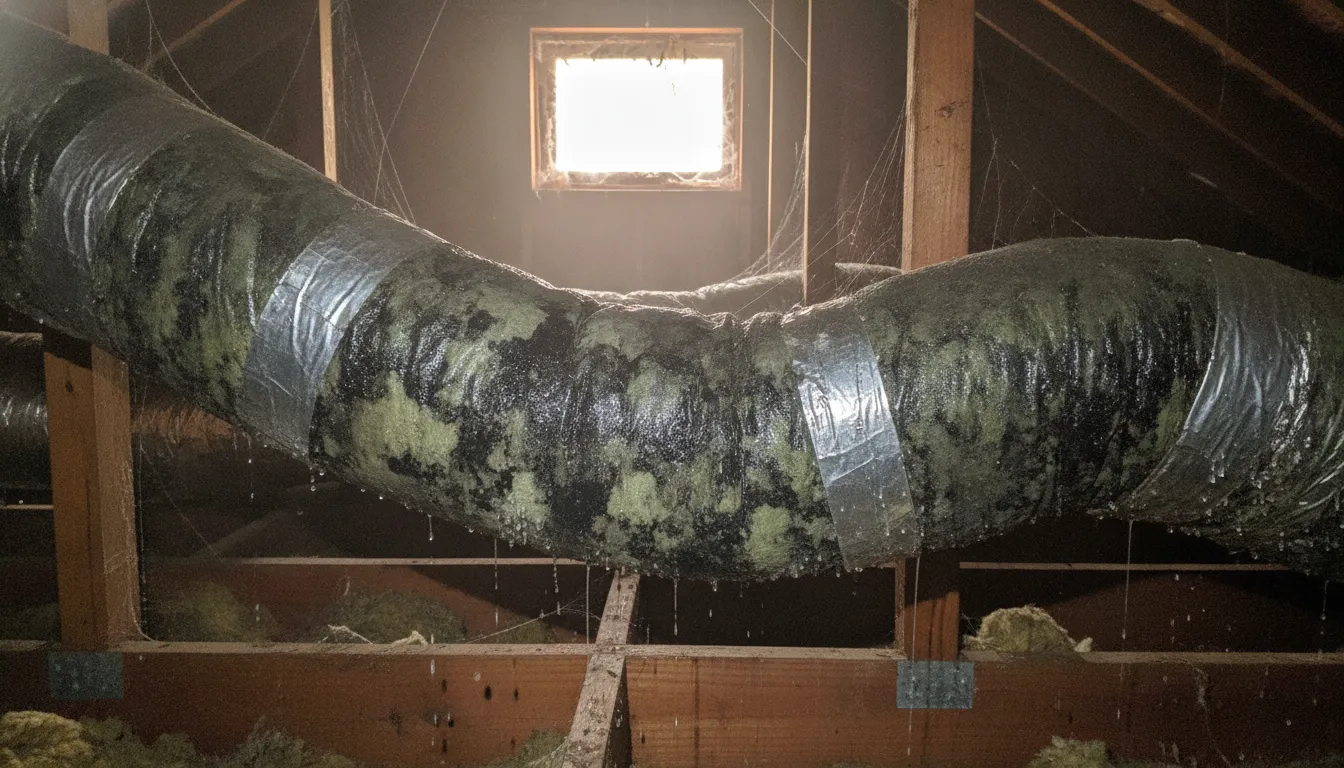
Ductless systems offer a couple of fantastic benefits for your home's environment. First, they can significantly improve your indoor air quality. Ductwork is notorious for collecting dust, pollen, mold, and other allergens over time, which then get circulated throughout your home every time the AC kicks on. Since mini-splits are duct-free, they help keep your air cleaner. Many models also come with advanced, multi-stage filtration systems that capture airborne particles.
The other major advantage is zoned cooling. With a traditional system, you cool the entire house to one temperature. A ductless system allows you to set different temperatures for different rooms, or "zones." This means you can cool the living room during the day and the bedrooms at night, without wasting energy on empty spaces. This level of control not only saves money but also provides personalized comfort for everyone in the family.
Maintaining Your System & Exploring Financing Options
Once your new ductless system is up and running, you’ll want to keep it in top shape and feel good about your investment. A little regular care goes a long way, and there are some fantastic financial incentives that can make the initial cost much more manageable. Let's walk through how to care for your system and take advantage of the savings available to you.
Essential Maintenance Tips for Ductless AC
To get the most out of your ductless AC, a bit of routine upkeep is key. Think of it like changing the oil in your car—it keeps everything running smoothly. The most important task is to regularly clean or replace the air filters. Clogged filters make your system work harder, which can drive up your energy bills. You’ll also want to ensure the condensate drain line is clear to prevent water backups and potential damage. Finally, keeping the indoor and outdoor coils clean helps the unit transfer heat effectively. While you can handle some of these tasks yourself, scheduling professional air conditioning maintenance ensures everything is in perfect working order.
Federal Tax Credits and Energy Incentives
One of the best parts about upgrading to an energy-efficient ductless system is that you can get some money back from the government. Thanks to federal programs like the 25C tax credit, homeowners can receive a credit for installing high-efficiency HVAC equipment. This isn't a small discount—it's a significant credit that can directly reduce the amount of tax you owe, making a new system much more affordable. It’s the government’s way of rewarding you for making an environmentally friendly choice that also lowers your energy consumption. We can help you identify which systems qualify so you can maximize your savings.
Florida Rebates and Our Financing Solutions
Living in Florida comes with its own set of perks, including state and local rebates for energy-efficient home upgrades. Depending on your location and utility provider, you could be eligible for significant savings on a new ductless system. For example, some programs offer rebates of up to $800 per home or even zero-percent interest loans. Figuring out which incentives you qualify for can feel overwhelming, but you don't have to do it alone. We’ll help you identify all available rebates and walk you through the application process. We also offer flexible financing options to ensure your new system fits comfortably within your budget.
Frequently Asked Questions
Can a ductless system really cool my entire house? Absolutely. While a single indoor unit is designed for one room or zone, a multi-zone ductless system is specifically designed to cool an entire home. An outdoor unit can connect to several indoor units placed in different rooms, giving you the power of central air with the added benefit of controlling the temperature in each space individually.
How long does the installation process take? One of the best parts of going ductless is the straightforward installation. A simple single-zone system can often be installed in just one day. A more complex multi-zone setup for your whole home might take a bit longer, but it's still significantly faster and less disruptive than the weeks of construction required to install traditional ductwork.
Are ductless systems noisy like window AC units? Not at all. Ductless systems are designed to be incredibly quiet. The indoor units operate at a whisper-soft level, so you'll barely notice they're on. The component that makes the most noise, the compressor, is located outside your home, so you can enjoy a cool and peaceful indoor environment.
What kind of maintenance does a ductless system require? Maintaining your system is simple. The most important task for you is to clean the reusable filters on the indoor units about once a month, which just takes a few minutes. Beyond that, we recommend having a professional technician perform an annual check-up to clean the coils and ensure everything is running at peak efficiency.
Why is there such a wide price range for installation? The final cost depends on a few key factors tailored to your home. The main variables are the number of indoor units you need (how many rooms you want to cool), the cooling power of the system required for your space, and the unit's energy efficiency rating. A system for a small studio will naturally cost less than a multi-zone system designed for a four-bedroom house.