The Main Types of Commercial HVAC Systems Explained
The air inside your building has a direct effect on the people who spend their days there. For employees, a comfortable and well-ventilated space can lead to better focus and higher productivity. For customers, it creates a welcoming experience that encourages them to stay longer and come back. Your HVAC system is the engine driving that environment. But with so many configurations available, it can be difficult to know where to start. From managing humidity to ensuring proper air filtration, the various types of hvac systems for commercial buildings offer unique benefits. This guide will help you understand those differences, so you can create a healthy, comfortable, and productive space that supports your business's success from the inside out.
Key Takeaways
- Your HVAC system is a core business asset: Choosing the right type and size for your specific building isn't just about comfort—it directly impacts employee productivity, customer experience, and your bottom line.
- Look beyond the initial price to calculate long-term value: A high-efficiency system with smart features like automation and zone control may cost more upfront but will deliver significant savings on energy bills for years to come.
- Preventive maintenance is the key to protecting your investment: A regular service plan is the most effective way to extend your system's lifespan, maintain peak efficiency, and avoid the costly downtime that comes with unexpected breakdowns.
What Is a Commercial HVAC System?
Let's start with the basics. HVAC stands for Heating, Ventilation, and Air Conditioning. Its primary job is to keep the people inside your building comfortable and breathing clean air. For a business in Florida, that usually means maintaining a steady temperature and balanced humidity, no matter how hot it gets outside. A commercial HVAC system does this on a much larger scale than the unit at your home. It's specifically engineered to handle the demands of bigger spaces like offices, retail stores, or warehouses, which have more people, heat-generating equipment, and windows.
These systems are more than just powerful air conditioners; they are complex networks responsible for everything from temperature control to proper ventilation. They ensure a consistent environment across large areas, which is crucial for employee productivity, customer comfort, and even protecting sensitive equipment. A well-functioning system also plays a huge role in your building's indoor air quality, filtering out pollutants and circulating fresh air. Because they are so much larger and more intricate, they require specialized knowledge for installation, repair, and maintenance.
How Do They Work?
Think of your HVAC system as a heat taxi. It picks up unwanted heat from inside your building and moves it outside, leaving the indoor space cooler and more comfortable. This process relies on a special fluid called a refrigerant, which circulates through a series of components like compressors and coils. The refrigerant absorbs indoor heat, turns into a gas, travels to the outdoor unit, and releases the heat as it turns back into a liquid. Fans help move the resulting cool air through your ductwork and into your workspace. The entire cycle is a continuous loop designed to efficiently manage your building's temperature.
Commercial vs. Residential: What's the Difference?
While they perform the same basic function, commercial and residential HVAC systems are worlds apart. The most obvious difference is size and power—a commercial unit needs to cool a much larger volume of space. They are also more complex, often featuring a modular design. Many commercial systems are housed together in one location, like on a rooftop, making them easier to service without disrupting business operations. Another key difference is drainage. Commercial systems have more intricate drainage networks to handle the larger amounts of condensation they produce. This complexity is why a professional air conditioning installation is so critical for businesses.
Busting Common Commercial HVAC Myths
Let's clear up a few common misconceptions about commercial HVAC systems. First is the idea that a new system doesn't need regular check-ups. That's simply not true. Just like a new car, your HVAC unit needs routine service to run efficiently and prevent costly breakdowns. Another myth is that all commercial systems are basically the same. In reality, the right system depends entirely on your building's size, layout, and specific needs. A one-size-fits-all approach never works. Finally, many believe closing vents in unused rooms saves money. This can actually harm your system by creating pressure imbalances. Consistent, professional air conditioning maintenance is the best way to ensure performance and longevity.
A Guide to Commercial HVAC System Types
Choosing the right HVAC system for your business isn't just about staying cool—it's about creating a comfortable environment for your employees and customers while managing your energy costs effectively. In Florida, where the heat and humidity are relentless, your air conditioning is one of your most critical assets. But with so many different types of commercial systems available, it’s easy to feel overwhelmed by the technical jargon and various configurations. You might be wondering if a rooftop unit is better than a split system, or what exactly a VRF system does.
Think of this as your go-to guide for understanding the main options on the market. Each system has its own strengths, and the best one for you depends on your building's size, layout, and specific needs. Whether you're running a small boutique, a sprawling warehouse, or a multi-story office building, there's a solution designed to keep your space perfectly comfortable. We'll walk through the most common commercial HVAC systems, explaining how they work and what kind of business they're best suited for. This will help you make an informed decision that supports your business goals for years to come.
Single and Multi-Split Systems
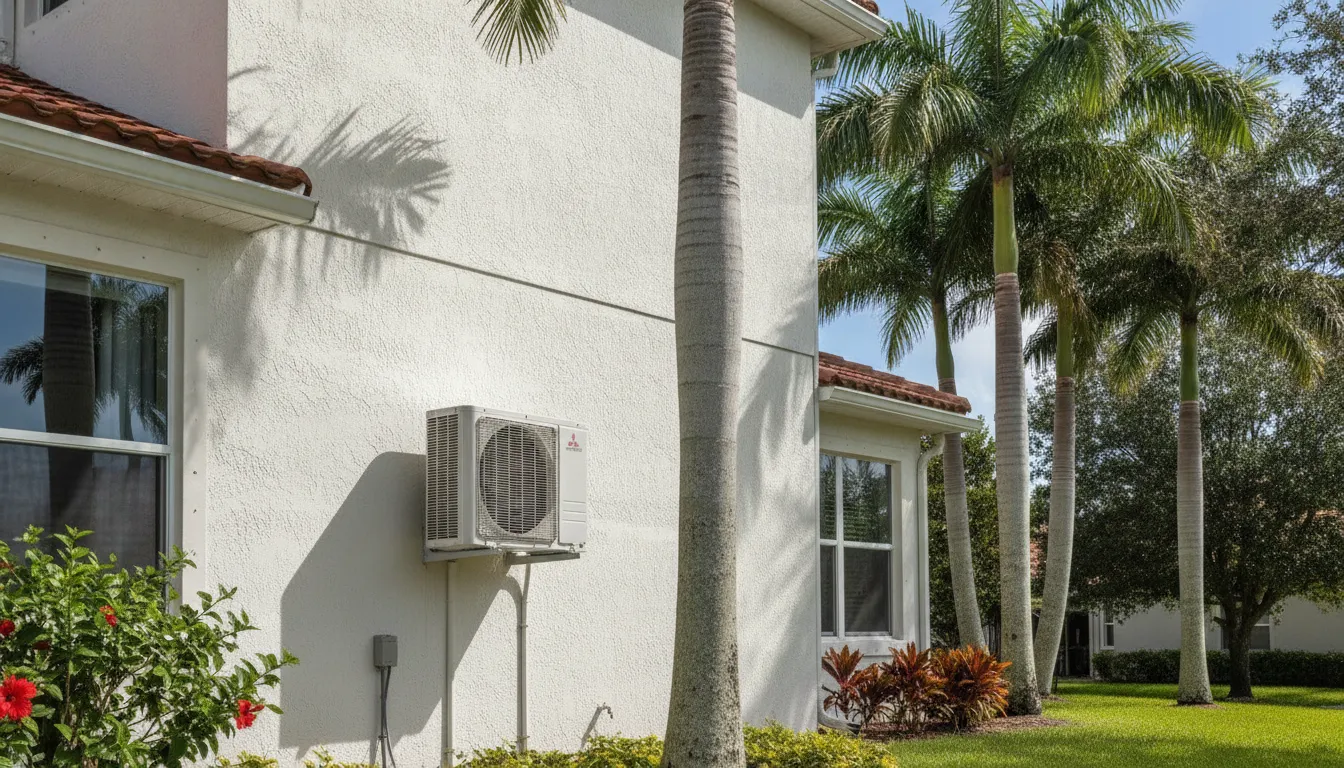
Split systems are a popular and flexible choice for many small to mid-sized businesses. A single-split system is the simplest version, with one indoor unit connected to one outdoor unit. It’s perfect for cooling a specific area, like a small retail shop, a server room, or a single office. They are relatively affordable to install and offer efficient, targeted cooling.
A multi-split system takes this concept a step further by connecting multiple indoor units to a single outdoor condenser. This is a great solution for larger spaces like medical offices or restaurants where you need to control the temperature in different rooms independently. The biggest advantage is that you save outdoor space and maintain a cleaner building exterior without needing a complex network of ducts for a new air conditioning installation.
VRF/VRV Systems
Variable Refrigerant Flow (VRF) or Variable Refrigerant Volume (VRV) systems are some of the most advanced and energy-efficient options available. These sophisticated systems use refrigerant to move heat between the outdoor and indoor units. What makes them so powerful is their ability to provide simultaneous heating and cooling to different zones at the same time.
Imagine a large office building where one side is getting baked by the Florida sun and the other is in the shade. A VRF system can send cooling to the hot side while redirecting the captured heat to warm up the cooler side, all with incredible efficiency. This makes them ideal for buildings with diverse needs, like hotels, mixed-use facilities, and modern offices that demand precise temperature control and lower energy bills.
Rooftop Package Units
If you’ve ever looked at the roof of a commercial building like a big-box store or a restaurant, you’ve likely seen a rooftop package unit (RTU). These are self-contained systems where all the main components—the compressor, condenser, and evaporator—are housed in a single cabinet. This all-in-one design makes them relatively easy to install and service, since technicians can access everything in one place.
RTUs are a go-to choice for single-story buildings with large, open floor plans, such as warehouses, grocery stores, and shopping centers. By placing the unit on the roof, you free up valuable ground space for parking or landscaping. They are workhorses designed for powerful, reliable cooling and are a staple in commercial air conditioning repair and maintenance.
Central Plant Systems
For very large structures like hospitals, high-rise office buildings, universities, and airports, a central plant system is often the only practical solution. Instead of having individual units scattered around, these systems use a central plant to generate chilled water. This cold water is then pumped through a network of pipes to air handling units located throughout the building.
As air passes over coils filled with the chilled water, it cools down before being distributed through ductwork. While the initial setup is complex and requires significant investment, central plants provide a massive amount of cooling capacity with impressive efficiency for large-scale operations. They are the powerhouse behind the comfort of some of the biggest buildings in our communities.
District Cooling Solutions
District cooling takes the central plant concept to an even larger scale. Instead of a single building having its own chiller plant, a massive central plant produces chilled water for an entire district, campus, or neighborhood. Individual buildings then tap into this network and purchase the chilled water like a utility, paying for what they use.
This approach eliminates the need for each building to invest in, operate, and maintain its own large-scale cooling equipment. It’s an incredibly efficient and sustainable solution for dense urban areas, large commercial developments, and university campuses. By centralizing cooling production, district systems can leverage economies of scale to reduce energy consumption and operational costs for everyone connected to the grid.
How to Choose the Right HVAC System for Your Business
Selecting the right HVAC system for your business is a major decision that impacts everything from your team's comfort to your monthly utility bills. It’s not just about picking a brand; it’s about finding a solution tailored to your specific commercial space. The best choice depends on several factors, and thinking through them upfront will save you headaches and money down the road. A system that’s too small will constantly struggle to keep up, while one that’s too large will cycle on and off too frequently, wasting energy and failing to properly control humidity. Let’s walk through the key considerations to help you make an informed choice for your Florida business.
Consider Your Building's Size and Layout
The first step is to look at your physical space. A sprawling warehouse has vastly different needs than a multi-story office building or a cozy boutique. You’ll need to account for total square footage, ceiling height, the number of individual rooms or zones, and even the number and type of windows. Proper insulation and building materials also play a huge role in how efficiently a system will operate. A thorough evaluation of your building’s unique layout is essential for a professional installation that correctly sizes the equipment. This ensures every corner of your space stays comfortable without putting unnecessary strain on the system.
Factor in Florida's Climate
Here in Florida, we know that heat and humidity are a year-round challenge. Your commercial HVAC system needs to be a powerhouse at dehumidification, not just cooling. High humidity can make a room feel warmer than it is and can contribute to air quality issues. The relentless sun and salty air in coastal areas also mean your outdoor unit must be durable and resistant to corrosion. Choosing a system built to withstand our demanding climate will ensure it runs efficiently and lasts longer. Investing in a unit designed for our region helps maintain excellent indoor air quality and keeps your employees and customers comfortable all year.
Weigh Upfront vs. Long-Term Costs
It’s tempting to focus on the initial price tag, but the long-term operating costs are just as important. A less expensive system might seem like a good deal at first, but it could lead to higher energy bills and more frequent repairs over its lifespan. Look at the energy efficiency ratings, like the SEER (Seasonal Energy Efficiency Ratio), to understand how much energy a unit will consume. A more efficient system may have a higher upfront cost, but the monthly savings can lead to a significant return on your investment. We offer straightforward financing options to help you invest in a high-efficiency system that fits your budget without compromising on quality.
Assess Your Space and Installation Needs
Think about the practical side of the installation. Where will the equipment physically go? Rooftop units are common for commercial buildings because they save space and keep noise away from customers, but not every building can support one. You also need to consider your existing ductwork. Is it in good shape and sized correctly for a new system, or does it need repairs or a complete replacement? Your ductwork acts as the lungs of your building, distributing conditioned air throughout the space. Ensuring it’s clean and properly sealed is critical for efficiency and air quality, which is why we offer comprehensive duct sanitization and replacement services.
Plan for Future Growth
Your business isn’t static, and your HVAC system should be able to adapt. Are you planning to expand your office, hire more employees, or add heat-generating equipment like servers or kitchen appliances in the future? A system that meets your needs today might fall short in a few years. It’s wise to discuss your long-term business goals with your HVAC technician. They can help you choose a scalable or modular system that can grow with you. Planning for the future ensures you won’t have to undergo a costly total system replacement sooner than expected. As your local partner, we’re here to help you find a solution that serves you well for years to come. You can learn more about our commitment to our clients' long-term success.
Exploring Smart HVAC Features and Integration
Modern commercial HVAC systems are much more than just powerful coolers; they're intelligent networks designed to make your life easier and your business more efficient. Think of smart HVAC as giving your building a brain. Instead of manually adjusting thermostats or worrying about energy waste after hours, these systems can think for themselves. They learn your business’s patterns, adjust to Florida’s unpredictable weather, and give you complete control from anywhere with an internet connection. This shift from reactive to proactive climate management is a game-changer for any commercial space.
For business owners, this means fewer operational headaches and more money in your pocket. Smart features allow you to automate temperature settings, monitor system health in real-time, and customize comfort levels across different zones of your building. This level of control not only keeps your employees and customers happy but also significantly cuts down on energy consumption by ensuring you're only cooling the spaces you need, when you need them. Integrating these technologies into your business isn't just a fancy upgrade—it's a strategic move toward a more streamlined, cost-effective, and comfortable commercial space. A new air conditioning installation is the perfect time to consider these advanced features and set your business up for long-term success.
Automate Your Building's Climate
Imagine your HVAC system automatically adjusting the temperature moments before your first employees arrive and powering down after the last person leaves. That’s the power of automation. Smart systems use programmable schedules, occupancy sensors, and even weather forecast data to create the perfect indoor environment with zero manual effort. This technology offers remote access and control features that streamline everything from daily operations to routine maintenance. By automating your climate control, you ensure consistent comfort, reduce energy waste from human error, and free up your time to focus on running your business. It’s a simple way to maintain an optimal environment while keeping your utility bills in check.
Monitor Your System Remotely
As a business owner, you can’t be on-site 24/7, but your HVAC system runs around the clock. Remote monitoring gives you peace of mind by letting you check on your system’s performance from a smartphone, tablet, or computer. You can see energy usage, adjust settings, and—most importantly—receive real-time alerts if a problem is detected. This early warning system can help you catch minor issues before they turn into major, costly breakdowns that disrupt your business. Having the ability to monitor your system from anywhere means you’re always in control, ensuring your property stays cool and your operations run smoothly, even when you're away.
Customize Temperatures with Zone Control
One-size-fits-all rarely works, especially when it comes to cooling a commercial building. A sunny conference room has different needs than a cool server room or a busy reception area. Zone control systems solve this by dividing your building into distinct areas, each with its own thermostat. This allows you to tackle complex tasks like managing comfort across a large, varied space. You can cool only the occupied zones, saving energy in empty rooms, and provide personalized comfort that keeps everyone productive and happy. It’s an efficient way to stop thermostat wars and start saving money by directing conditioned air only where it’s needed most.
Manage Your Energy Use
High energy bills can be a major drain on a business’s budget, especially in the Florida heat. Smart HVAC systems are designed with efficiency at their core. They provide detailed energy usage reports, helping you identify patterns and opportunities for savings. These systems learn your building’s thermal properties and optimize run times to minimize waste without sacrificing comfort. With innovations in cooling and energy efficiency driving the industry forward, upgrading to a smart system is one of the most effective ways to manage your operational costs. Regular air conditioning maintenance ensures these smart features continue to perform at their peak, maximizing your return on investment.
Maximize Efficiency and Manage Costs
Choosing a new commercial HVAC system is a major investment, but it's also a huge opportunity to get your operating costs under control. In Florida, air conditioning is one of the biggest line items on a business's utility bill. By focusing on efficiency from the start, you can significantly lower those monthly expenses and improve your bottom line. A smart HVAC strategy isn't just about keeping your space comfortable; it's about making a sound financial decision that pays off for years to come. Let's walk through how you can make sure your system works smarter, not harder.
Decode Energy Efficiency Ratings
When you start comparing HVAC systems, you'll see a lot of acronyms. The most important one for your air conditioner is the SEER, or Seasonal Energy Efficiency Ratio. Think of it like the MPG rating for a car—the higher the number, the more efficient the unit is, and the less you'll spend on electricity to run it. For commercial systems, you might also see EER (Energy Efficiency Ratio) or HSPF (Heating Seasonal Performance Factor) for heat pumps. A simple way to find top-performing equipment is to look for the ENERGY STAR label, which identifies products that meet strict efficiency criteria set by the EPA.
Calculate Operating Costs and ROI
A high-efficiency system might have a higher price tag, but it’s crucial to look at the bigger picture. Your commercial HVAC system can account for nearly 45% of your building's total energy use, so a more efficient unit can lead to substantial savings over time. This is where calculating the return on investment (ROI) comes in. By spending a bit more upfront on a unit with a higher SEER rating, you could see that cost returned to you through lower energy bills in just a few years. To protect that investment, consistent air conditioning maintenance is non-negotiable. Regular tune-ups keep your system running at peak efficiency, ensuring you get the savings you planned on.
Discover Energy-Saving Technologies
Modern HVAC systems come with some incredible features designed to cut down on energy waste. Smart thermostats and building automation systems are game-changers, allowing you to program temperature schedules, control the climate remotely, and monitor energy usage from your phone or computer. Many new units also feature variable-speed technology. Instead of running at full blast all the time, these systems adjust their output to precisely meet the cooling demand of your space. This not only saves a ton of energy but also provides more consistent temperatures and better humidity control—a must-have in the Florida climate. When considering a new AC installation, ask about these smart features.
Find Available Rebates and Incentives
You may not have to cover the full cost of a new high-efficiency system on your own. To encourage energy conservation, the federal government, state agencies, and local utility companies often offer rebates, tax credits, and other financial incentives for installing qualifying equipment. These programs can take a significant bite out of the initial purchase price, making a top-of-the-line system much more affordable. It’s always a good idea to check with your electricity provider for current offers. A knowledgeable HVAC partner can also help you find systems that qualify for these programs and guide you through the application process to make sure you get every dollar you’re entitled to.
Improve Your Building's Indoor Air Quality
The air inside your commercial building has a huge impact on the health and productivity of your employees and the comfort of your customers. Since we spend so much time indoors—especially here in Florida, with buildings sealed tight to keep the cool air in—focusing on air quality is a must. A modern commercial HVAC system does more than just control the temperature; it's the heart of your building's respiratory system, managing ventilation, filtration, and humidity to create a healthier environment.
Investing in better indoor air quality isn't just about checking a box. It can lead to fewer sick days for your team, a more pleasant experience for anyone who walks through your doors, and protection for your building's interior from issues like mold. When the air is clean and fresh, people feel more alert, comfortable, and focused. It shows you care about the well-being of everyone in your space. Let's look at the key strategies you can use to ensure the air in your business is clean, fresh, and comfortable for everyone.
Meet Commercial Ventilation Standards
Proper ventilation is about more than just airing out a room; it’s a continuous process of replacing stale indoor air with fresh outdoor air. Commercial HVAC systems are designed to handle this complex task, circulating air effectively across large spaces to dilute pollutants like CO2, dust, and volatile organic compounds (VOCs). Meeting commercial ventilation standards ensures a steady supply of clean air, which is essential for maintaining alertness and well-being. A well-ventilated building is simply a healthier and more productive place for everyone inside.
Explore Advanced Filtration Options
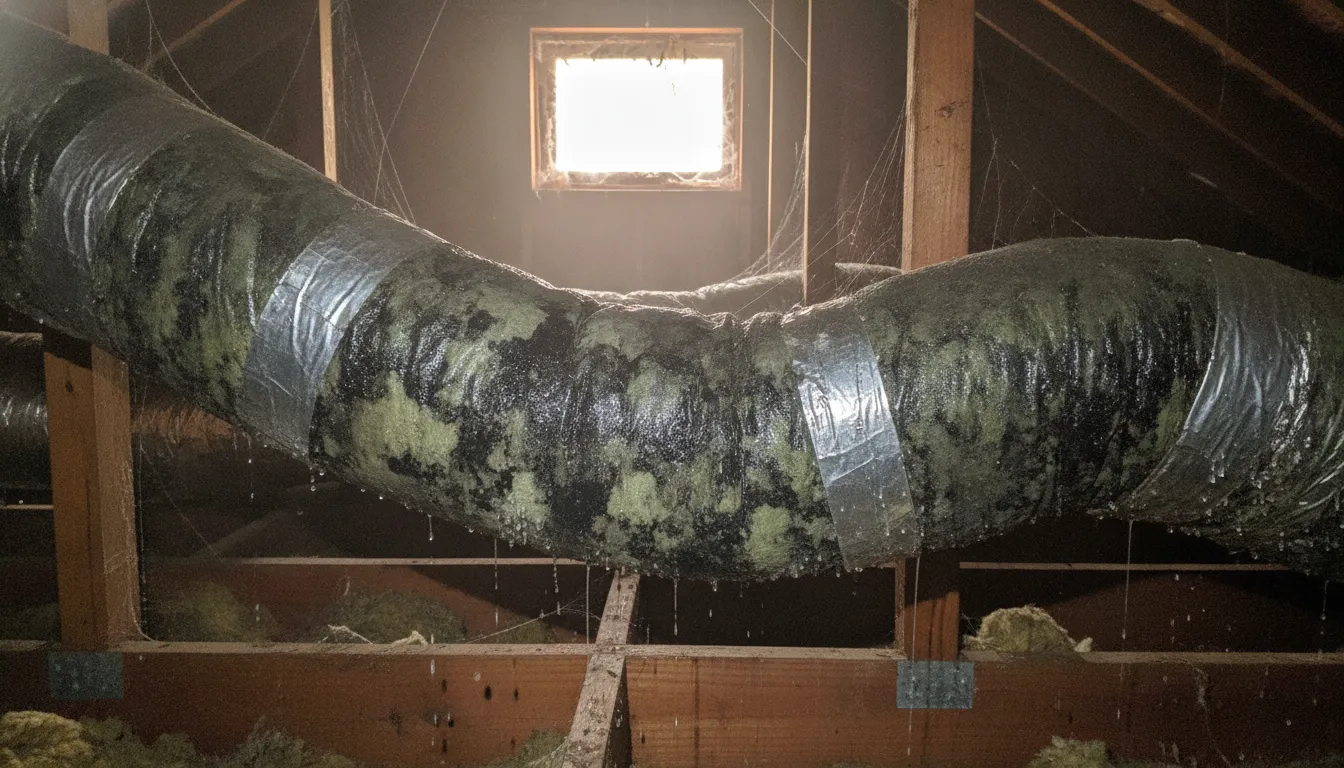
Your HVAC system's filters are the first line of defense against airborne particles. While standard filters do a decent job, advanced filtration options can capture much smaller contaminants, including pollen, bacteria, and other allergens. High-efficiency particulate air (HEPA) filters and other specialized media can dramatically improve your air quality. For these filters to work their best, your ductwork needs to be clean. Regular duct sanitization prevents dust and debris from circulating back into your space, ensuring the air passing through your advanced filters is as clean as possible.
Control Humidity for Better Comfort
In Florida, managing humidity is just as important as controlling temperature. High humidity makes the air feel sticky and heavy, and it creates the perfect breeding ground for mold and mildew. A quality commercial HVAC system is designed to pull excess moisture from the air as it cools, keeping humidity levels in a comfortable and healthy range. This not only improves comfort but also protects your building's structure, furniture, and inventory from moisture damage. Getting humidity under control is a critical part of a comprehensive approach to indoor air quality.
Monitor Your Air in Real-Time
Modern HVAC technology allows you to be proactive about your building's air quality. Smart systems can integrate real-time air quality sensors that continuously monitor for pollutants, CO2 levels, and humidity. This data allows the system to make automatic adjustments, increasing ventilation or filtration when needed to maintain a healthy environment. This level of control gives you peace of mind and ensures your system is always working efficiently. When considering a new system, ask about smart monitoring features to keep your building's air consistently fresh with a modern AC installation.
Extend Your HVAC System's Lifespan
A commercial HVAC system is one of the biggest investments you'll make in your property. Protecting that investment isn't just about fixing it when it breaks; it's about creating a long-term strategy to keep it running efficiently for years to come. A little proactive care goes a long way in preventing costly downtime and unexpected repair bills. Here’s how you can extend your system's lifespan and get the most out of it.
Why Preventive Maintenance Is Key
Think of preventive maintenance as a regular health check-up for your HVAC system. It’s the single most effective way to prevent major breakdowns and keep your operating costs down. During a maintenance visit, a technician inspects, cleans, and tunes up every part of your system. Regular checks can prevent issues like HVAC water leaks and ensure your system runs smoothly, especially during those brutal Florida summers. Scheduling routine air conditioning maintenance allows you to catch small problems—like a frayed wire or a clogged drain line—before they turn into catastrophic failures that could shut your business down. It’s a small investment that pays off with improved efficiency, lower energy bills, and priceless peace of mind.
Watch Out for Common System Issues
Even with great maintenance, it’s smart to know the warning signs of a struggling HVAC system. Being able to spot trouble early can save you from a much bigger headache down the road. Pay attention to new or unusual sounds, like rattling or grinding, which can indicate loose components or vibration. If you notice that some areas are much colder than others or that your energy bills are creeping up without explanation, your system is trying to tell you something. These are often the first signs that you need professional air conditioning repair. Don't ignore them. Addressing these issues promptly is key to preventing further damage and keeping your system in good working order.
Create an Emergency Service Plan
In Florida, a broken AC is more than an inconvenience—it's an emergency that can bring your business to a halt. The worst time to look for a reliable HVAC company is when your system has already failed and your building is heating up. That's why having an emergency plan is so important. Identify a trusted, local company with a reputation for quick response times and clear communication before you need them. Look for a team that offers emergency air conditioning services around the clock. Knowing who to call when disaster strikes eliminates panic and ensures you get the skilled help you need as quickly as possible, minimizing downtime and protecting your bottom line.
Optimize Your System's Performance
Getting the longest life out of your HVAC system also means making sure it’s performing at its best every day. Modern technology makes this easier than ever. Smart thermostats and building controls give you remote access, allowing you to adjust settings and monitor performance from anywhere. This not only streamlines management but also helps you fine-tune your energy usage. Another critical factor in performance is your ductwork. Over time, ducts can accumulate dust and debris, forcing your system to work harder. Regular duct sanitization ensures air flows freely and cleanly, improving both efficiency and the quality of the air inside your building. These simple optimizations help your system run smarter, not harder.
Choose a Future-Proof HVAC System
Investing in a new commercial HVAC system is a major decision, and you want to choose a unit that will serve your business well for years to come. A future-proof system isn't just about buying the newest model; it's about selecting technology that is efficient, adaptable, and ready for the advancements of tomorrow. Thinking ahead ensures your investment remains valuable, keeping your operating costs low and your building comfortable as your business evolves. It means looking beyond the immediate price tag to consider long-term performance, sustainability, and how well the system integrates with other building technologies.
Making the right choice now can save you from costly upgrades or replacements down the line, especially as energy standards become stricter and smart technology becomes the norm. A system that can grow with your business—whether you're expanding your physical footprint or just your team—is a smart financial move. It protects you from having to start from scratch in five or ten years. At 5 Star Air, we help businesses select and install systems built for the long haul. Let’s walk through the key features that make an HVAC system truly future-proof.
Prioritize Sustainable Features
Sustainability is no longer just a buzzword—it's a core feature of modern, high-performance buildings. An energy-efficient HVAC system not only reduces your carbon footprint but also leads to significant savings on your utility bills. Look for units with high SEER2 ratings and ENERGY STAR® certifications. The industry is moving toward innovations in energy efficiency and sustainability, so choosing a green system positions your business as a forward-thinking leader. When considering an air conditioning installation, ask our team about environmentally friendly refrigerants and features like variable-speed compressors that use less energy to maintain comfort.
Find Technology That Adapts to Your Needs
Your business isn't static, and your HVAC system shouldn't be either. Future-proof technology is adaptable. This means choosing a system that can scale with your business, whether you're expanding your space or changing its layout. Smart features are key here. Modern systems with remote access and control allow you to adjust settings from anywhere, streamlining operations and maintenance. This flexibility ensures your system can meet changing demands without requiring a complete overhaul. An adaptable system provides consistent comfort and efficiency, supporting your business as it grows and evolves over time, which is essential for any forward-looking company.
Ensure Seamless Integration
A modern commercial building often has multiple smart systems working together, from lighting and security to ventilation. Your HVAC system shouldn't be an isolated piece of equipment. For maximum efficiency, it needs to integrate seamlessly with your other building management technologies. When your systems can communicate, they work in harmony to create a more comfortable and energy-efficient environment. This kind of smart HVAC system can adjust automatically based on occupancy, time of day, and even outdoor weather conditions. This optimizes performance and reduces waste without any manual effort on your part, letting you focus on running your business.
Check for Smart Building Compatibility
Taking integration a step further, it’s important to ensure your new HVAC system is compatible with comprehensive smart building platforms. Commercial HVAC systems are designed to handle complex tasks across vast areas, and connecting them to a central smart hub makes management much simpler. This compatibility allows for sophisticated automation, detailed energy usage reporting, and predictive maintenance alerts that can prevent costly breakdowns. By choosing a system that’s ready for smart building integration, you’re setting your property up for enhanced control and operational intelligence. It’s a strategic move that prepares your building for the next wave of property management technology.
Frequently Asked Questions
How often should I have my commercial HVAC system professionally serviced? For businesses in Florida, we recommend professional maintenance at least twice a year. A check-up in the spring ensures your system is ready for the summer heat, and another in the fall prepares it for the cooler months. This regular attention is the best way to catch small issues before they become major problems, maintain energy efficiency, and extend the life of your equipment.
Is it better to repair my old system or just replace it? This is a common question, and the answer usually comes down to a few key factors. Consider the age of your system—if it's over 15 years old, a replacement is often the smarter long-term investment. You should also look at the frequency and cost of repairs. If you're constantly calling for service or facing a repair bill that's close to half the cost of a new unit, it’s probably time to upgrade. A new, more efficient system will also lower your monthly energy bills, providing a return on your investment.
How long does a typical commercial HVAC installation take? The timeline for an installation can vary quite a bit depending on the project's complexity. A straightforward replacement of a rooftop package unit might only take a day or two. However, a more involved project, like installing a multi-split or VRF system with new ductwork, could take longer. Our goal is always to work efficiently and coordinate with you to minimize any disruption to your business operations.
What are the biggest factors that influence the cost of a new commercial HVAC system? The final cost depends on several variables unique to your building. The most significant factors are the size and capacity of the system needed to properly cool your space, the unit's energy efficiency rating (a higher SEER rating costs more upfront but saves money over time), and the complexity of the installation itself. Things like the condition of your existing ductwork and the accessibility of the installation site also play a role.
My energy bills are really high. Besides getting a new system, what's the first thing I should do? If your energy costs are climbing, the best first step is to schedule a professional maintenance check-up. A technician can identify and fix inefficiencies, like dirty coils or low refrigerant, that force your system to work harder and use more power. It's also a great idea to have your ductwork inspected. Leaks or blockages in your ducts can be a major source of energy waste, and sealing them can make a significant difference.